

Fire and Storm Reconstruction: What Happens After the Emergency Is Under Control
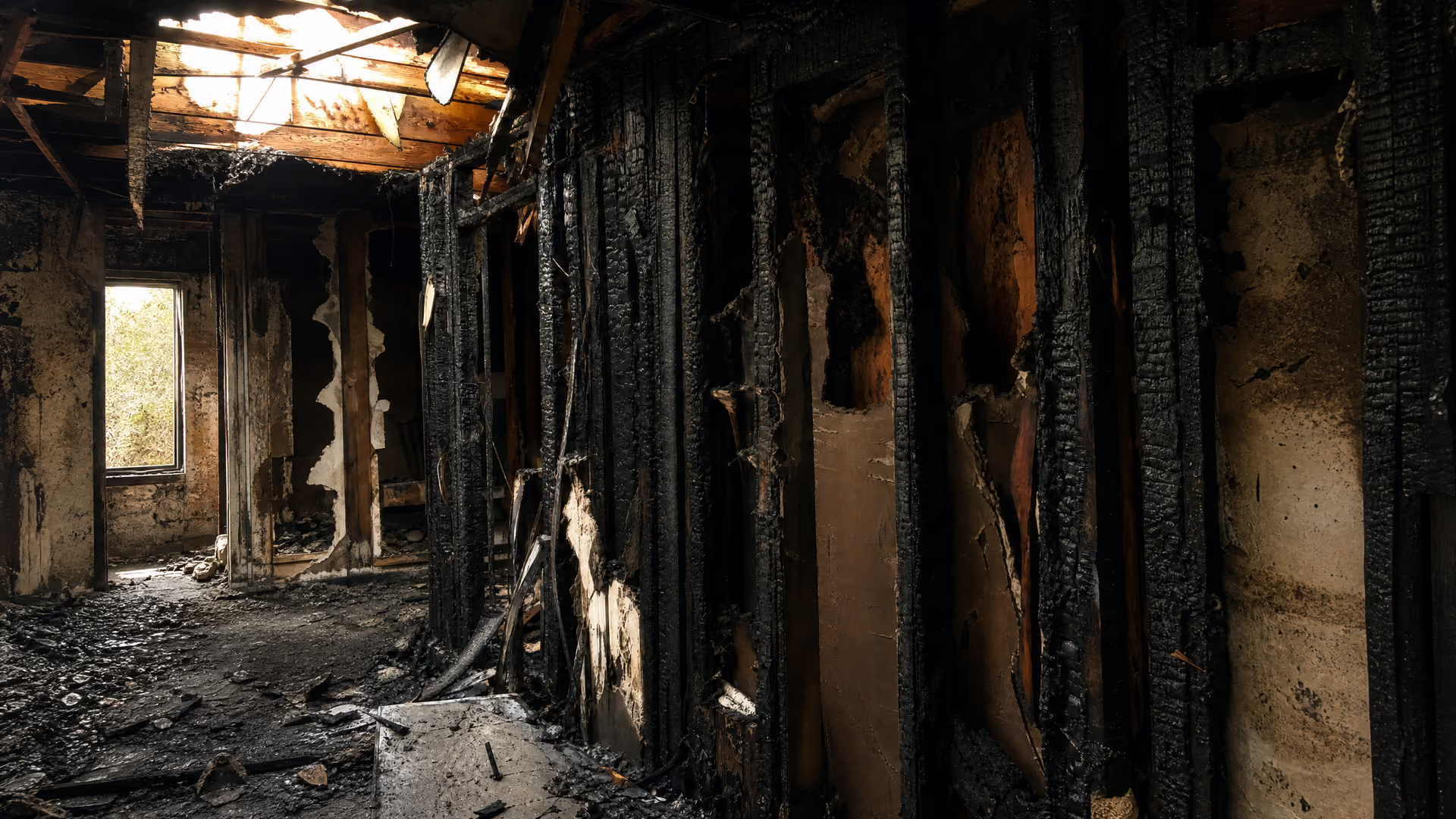
Fire and storm damage often create urgent, stressful situations for property owners. A fire may leave behind smoke residue, odor, charred materials, water from firefighting efforts, and damaged structural components. A storm may tear off shingles, break windows, allow rain into the building, or damage ceilings, walls, flooring, and contents. In both cases, the emergency response is only the first stage. Reconstruction is the stage that helps bring the property back to usable condition.
It is helpful to separate the recovery process into three connected phases. The first phase is emergency stabilization. This may include roof tarp and board-up services, temporary protection, debris control, and actions that help prevent additional damage. The second phase is mitigation and cleanup. This may involve water removal, smoke cleaning, odor control, debris removal, drying, or other corrective work. The third phase is reconstruction, where damaged building materials are repaired or replaced.
- Fire Damage: Emergency concern: Unsafe debris, openings, soot, odor. Cleanup need: Smoke cleaning, odor control, water removal. Reconstruction need: Drywall, framing, paint, flooring, trim, cabinetry.
- Storm Damage: Emergency concern: Roof openings, broken windows, rain intrusion. Cleanup need: Board-up, tarping, extraction, drying. Reconstruction need: Roofing, ceilings, walls, flooring, exterior repairs.
- Firefighting Water: Emergency concern: Saturated materials. Cleanup need: Water extraction and drying. Reconstruction need: Replacement of affected finishes after drying.
- Wind-driven Rain: Emergency concern: Hidden moisture. Cleanup need: Moisture inspection and drying. Reconstruction need: Interior repair after the source is controlled.
Fire damage restoration and reconstruction is not only about replacing burned materials. Smoke can travel beyond the visible burn area. Odor can remain in porous materials. Water used during firefighting can affect flooring, walls, ceilings, and insulation. Before reconstruction begins, the property needs a clear understanding of what was damaged by heat, smoke, soot, and water. Otherwise, new materials may be installed over unresolved conditions.
Storm damage restoration and reconstruction has its own challenges. The property may need emergency protection before detailed repairs can begin. If a roof is open or windows are broken, rain can continue entering the building. This can turn an exterior storm claim into an interior water damage issue. A good reconstruction plan recognizes that the roof, building envelope, interior finishes, and contents may all be connected. This may require water damage cleanup before rebuilding.
This is why communication matters so much after a fire or storm. Property owners often ask, "When will everything be back to normal?" That question is understandable, but the answer depends on the sequence of recovery. The property must be made safe. Openings must be protected. Wet materials must be dried. Smoke and odor concerns must be addressed. Damaged materials must be removed when necessary. Then the rebuild can move forward with a clear scope.
Reconstruction also helps owners understand the difference between emergency service and final repair. A tarp may protect the property, but it is not the final roof repair. Board-up may secure the structure, but it is not the final window or wall repair. Smoke cleanup may remove residue and odor, but it does not replace damaged drywall, flooring, cabinetry, or trim. Each step has a purpose, and the reconstruction stage completes the recovery.
For commercial properties, this process can affect revenue, tenant satisfaction, and safety. A storm-damaged storefront, a fire-damaged restaurant, or a smoke-affected office may need a plan that reduces downtime while still following proper recovery steps. Commercial restoration services should connect emergency response, documentation, cleanup, and reconstruction planning so the owner can make informed decisions.
Property owners should also understand that reconstruction is not only cosmetic. While paint, flooring, and trim are visible, the real value of reconstruction is that it restores function. Rooms become usable again. Damaged walls and ceilings are repaired. Openings are closed. Work areas, living spaces, customer areas, and tenant spaces can return to service.
The best time to discuss reconstruction is early in the recovery process. When the rebuild is planned while mitigation is underway, the team can identify long-lead materials, permitting needs, access issues, and schedule constraints. Early planning also helps the owner understand what will happen after the emergency is stabilized.
After fire or storm damage, the goal is not simply to clean the property. The goal is to guide it from emergency response through restoration and repair. Reconstruction is the bridge between damage control and a finished, usable space. We offer comprehensive reconstruction services to help you recover.
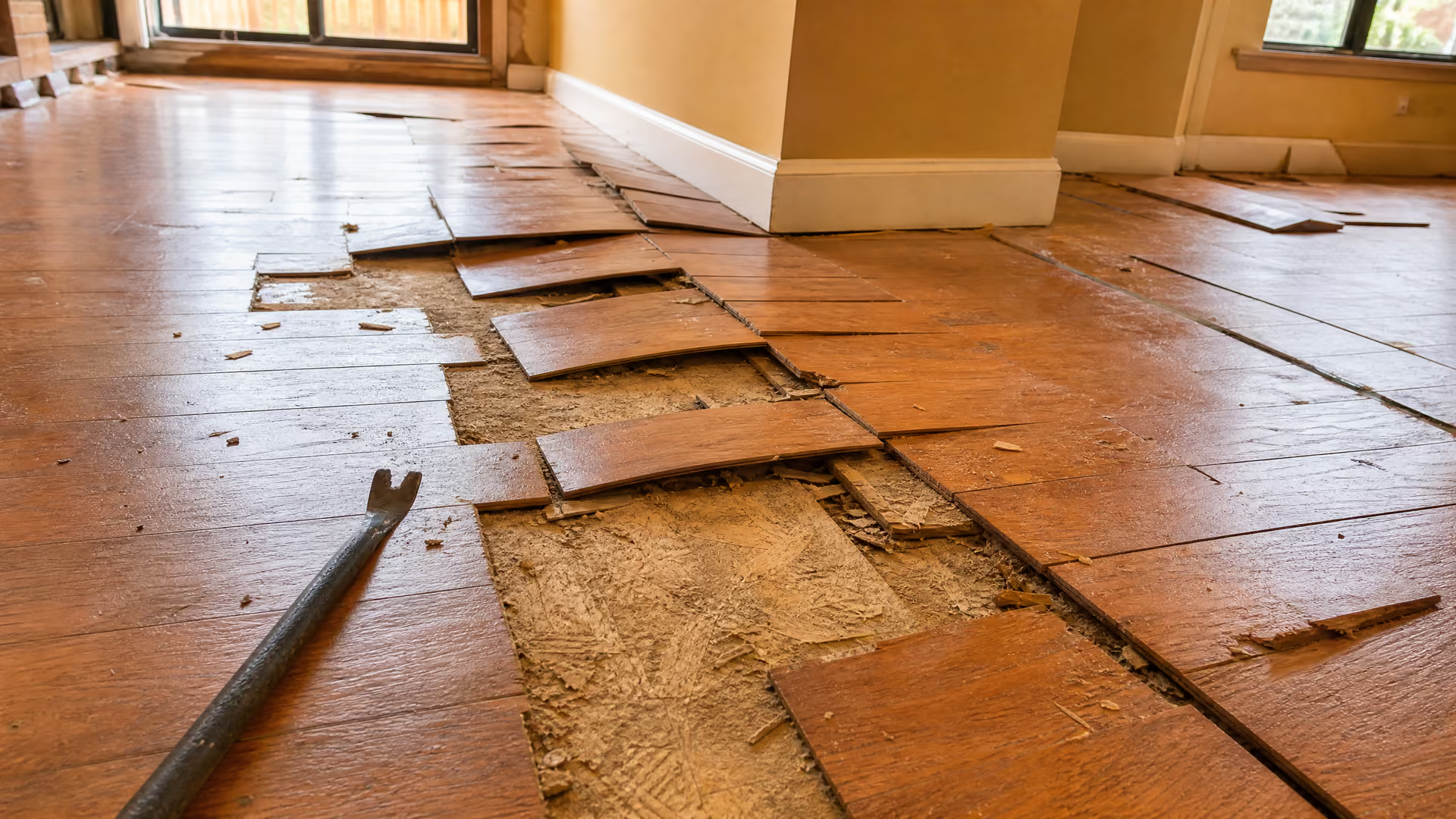
Flooring Replacement After Water or Fire Damage: What You Need to Know
Does water or fire damage always mean replacing your floors? Learn how different flooring types respond to damage, when replacement is necessary, and how insurance covers the cost.

The 50 Percent Rule: The Florida Regulation That Can Change Your Entire Rebuild
If repair costs reach half your building's value, Florida may require full code compliance. Learn what triggers the rule and how it is calculated.


