


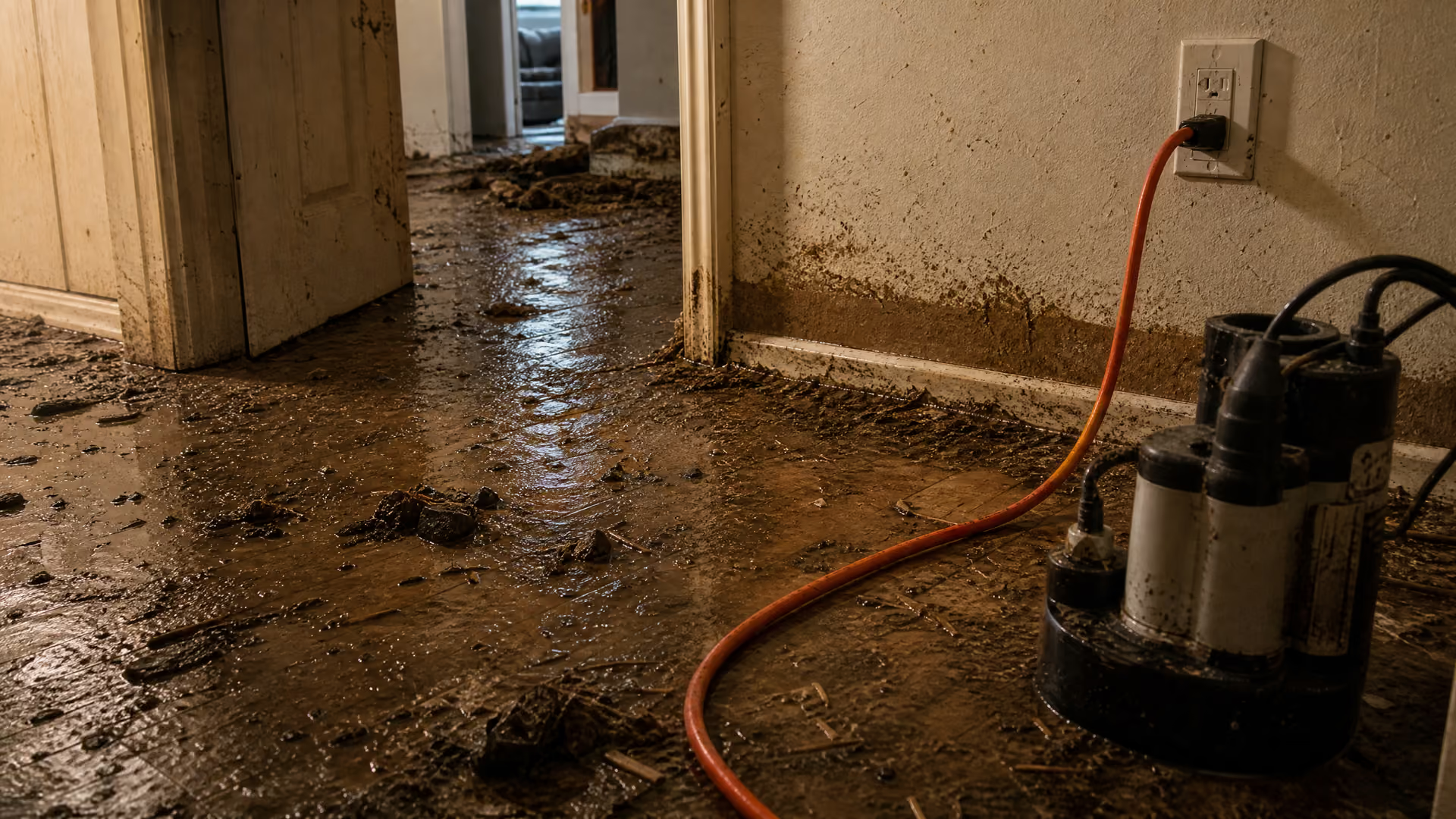
Hurricane and Flood Damage to Your Home: What to Do in the First 72 Hours
The aftermath of a hurricane or severe flood is a chaotic and disorienting time. When a home sustains significant storm damage, the sheer volume of tasks required to secure the property and begin the recovery process can feel paralyzing. However, the actions taken in the first 72 hours are critical. They dictate the safety of the occupants, the extent of secondary damage, and the trajectory of the insurance claim.
This guide outlines the essential steps property owners must take immediately following a severe weather event to protect their home and set the stage for a successful flood & storm reconstruction.
- 1. Prioritize Safety Above All Else: The most crucial step following a storm is ensuring the physical safety of everyone involved. Do not return to an evacuated property until local authorities have officially declared the area safe to enter. Once on-site, exercise extreme caution. Floodwaters often conceal hidden hazards, including submerged debris, displaced wildlife, and raw sewage. Most importantly, be hyper-aware of electrical dangers.
- 2. Document the Damage Extensively: Before any cleanup or mitigation efforts begin, it is imperative to thoroughly document the damage for insurance purposes. Take extensive photographs and video of every affected room, capturing both wide-angle shots and close-up images of specific damage to walls, flooring, furniture, and personal belongings. Do not discard any damaged property before the insurance adjuster has had an opportunity to inspect it.
- 3. Contact Your Insurance Company Immediately: Initiate the claims process as soon as possible. When contacting the insurance provider, have your policy number ready and provide a clear, concise description of the damage. Ask for a claim number and the contact information for the assigned adjuster. It is also crucial to clarify exactly what your policy covers—specifically, whether you have separate flood insurance.
- 4. Mitigate Further Damage: Insurance policies require property owners to take reasonable steps to prevent further damage after an initial loss. If it is safe to do so, address the source of the water or exposure immediately. This may involve placing a tarp over a damaged roof, boarding up broken windows, or shutting off the main water valve. Remove standing water as quickly as possible to reduce the risk of mold growth.
- 5. Engage a Professional Restoration and Reconstruction Contractor: While property owners can handle minor cleanup tasks, severe hurricane and flood damage requires professional intervention. Engaging a certified restoration and reconstruction contractor early in the process is one of the most effective ways to streamline recovery. They will seamlessly transition the project from the initial cleanup phase into the final reconstruction phase.
The first 72 hours after a storm are undoubtedly stressful, but taking decisive, organized action protects the property and lays a solid foundation for the rebuilding process. By prioritizing safety, documenting the loss, and partnering with experienced professionals, property owners can navigate the chaos of storm recovery with confidence. Get a quote from our expert team to begin your recovery journey.
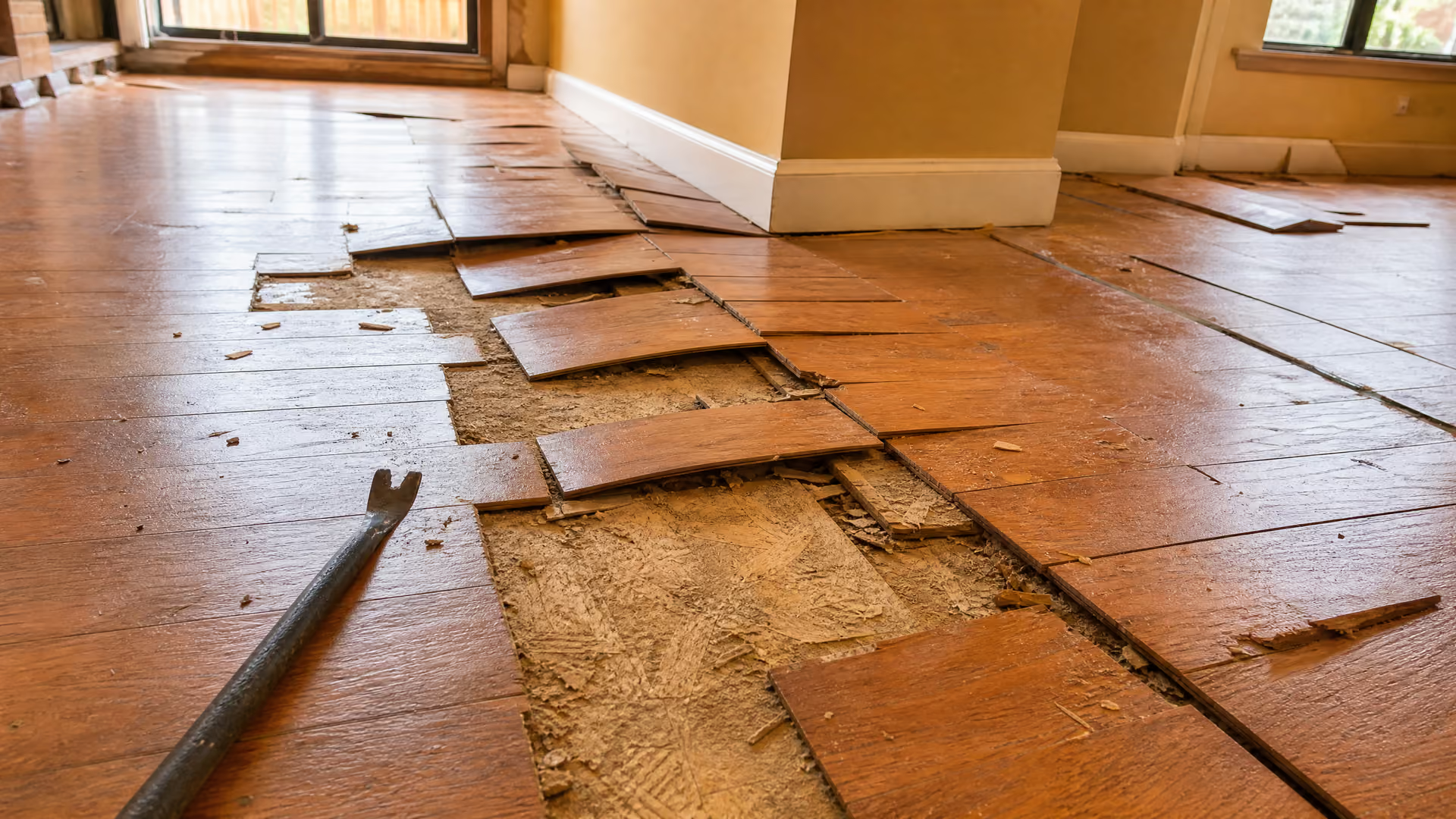
Flooring Replacement After Water or Fire Damage: What You Need to Know
Does water or fire damage always mean replacing your floors? Learn how different flooring types respond to damage, when replacement is necessary, and how insurance covers the cost.

The 50 Percent Rule: The Florida Regulation That Can Change Your Entire Rebuild
If repair costs reach half your building's value, Florida may require full code compliance. Learn what triggers the rule and how it is calculated.


