

Flooring Replacement After Water or Fire Damage: What You Need to Know
When a property experiences significant water or fire damage, the flooring is almost always one of the first casualties. Gravity ensures that water pools on the lowest surfaces, while smoke and soot settle heavily onto carpets and porous materials. In the aftermath of a disaster, property owners frequently ask whether their flooring can be salvaged or if a complete flooring replacement is necessary.
The decision to repair or replace flooring after a loss is complex and depends on the type of material, the nature of the damage, and the duration of exposure. This article provides a comprehensive overview of what property owners need to know about flooring replacement during the reconstruction process.
Evaluating Water-Damaged Flooring
Water is remarkably destructive to building materials, and its impact on flooring varies dramatically depending on the specific product installed. The primary factors determining salvageability are the category of water (clean, gray, or black) and how quickly the drying process was initiated.
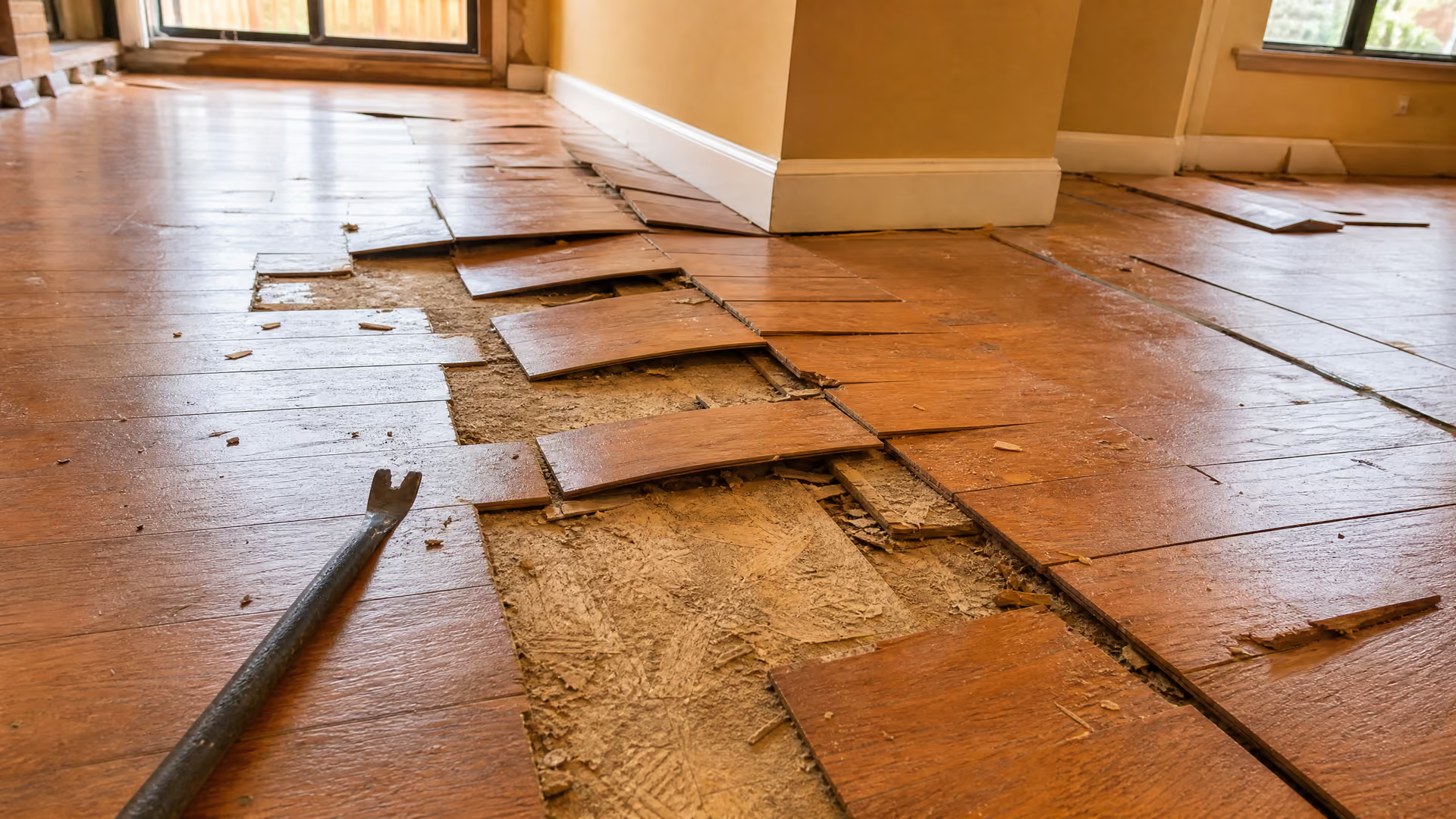
- Hardwood Flooring: Solid hardwood floors can sometimes be saved if the water intrusion was clean and addressed immediately. However, if the hardwood exhibits significant "cupping" or "crowning" that does not resolve after thorough drying, or if the water was contaminated, the flooring must be replaced to ensure structural integrity and prevent mold growth.
- Laminate and Engineered Wood: Unlike solid hardwood, laminate and many engineered wood products are highly susceptible to permanent water damage. These materials are typically constructed with a fiberboard core that acts like a sponge when exposed to moisture. Because this swelling is irreversible, laminate flooring exposed to standing water almost always requires complete replacement.
- Carpet and Padding: The salvageability of carpet depends entirely on the source of the water. If the carpet is saturated with clean water and dried within 24 to 48 hours, it may be saved. However, the carpet padding must almost always be discarded and replaced. If exposed to gray or black water, both carpet and padding must be discarded.
- Tile and Stone: Ceramic tile and natural stone are highly resilient to water damage. The primary concern is the grout and the subfloor beneath it. In severe cases, the tile may need to be removed to properly dry and repair the subfloor before new flooring can be installed.
Evaluating Fire and Smoke-Damaged Flooring
Fire damage presents a different set of challenges for flooring. The damage is not only caused by direct flames but also by intense heat, acidic smoke, soot, and the water or chemicals used to extinguish the fire.
- Burn and Heat Damage: Any flooring material that has been charred, scorched, or melted by direct heat must be replaced. Even if the damage appears localized, the intense heat can compromise adhesives or damage the underlying subfloor.
- Smoke and Soot Penetration: Porous materials, such as carpet, act as massive filters, trapping soot particles deep within their fibers. Heavy smoke exposure usually dictates replacement to permanently eradicate the odor. Hard surfaces are less susceptible but can be etched or discolored by acidic soot.
The Role of the Subfloor and Upgrades
A critical, yet often overlooked, aspect of flooring replacement is the condition of the subfloor. If the subfloor is saturated with water or compromised by fire, it must be thoroughly dried, repaired, or replaced before new flooring can be installed. Installing new hardwood or carpet over a damp or damaged subfloor will inevitably lead to future failures.
During the insurance claims process, coverage is generally based on replacing the damaged flooring with materials of "like kind and quality." However, the reconstruction phase offers property owners a unique opportunity to upgrade their materials—for example, transitioning from builder-grade carpet to luxury vinyl plank during a kitchen & bathroom remodel. By understanding how different materials react to damage, property owners can make informed decisions that enhance the value and resilience of their restored property.
How to Choose a Reconstruction Contractor After Property Damage
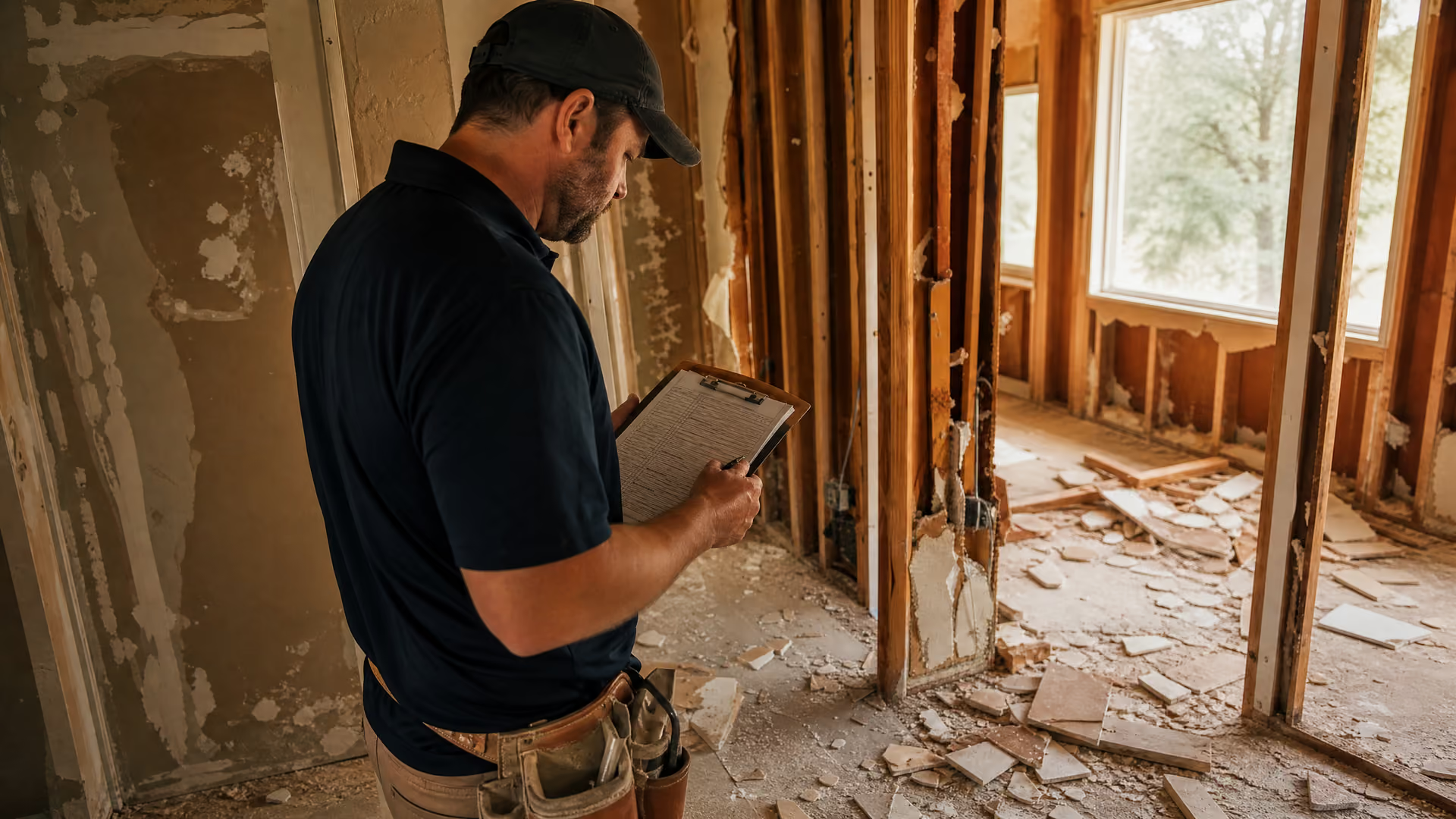
Not all contractors are qualified for post-loss rebuilding. Learn the key certifications, questions to ask, and red flags to avoid when choosing a reconstruction contractor after fire, water, or storm damage.
How the Insurance Reconstruction Process Works: A Step-by-Step Guide
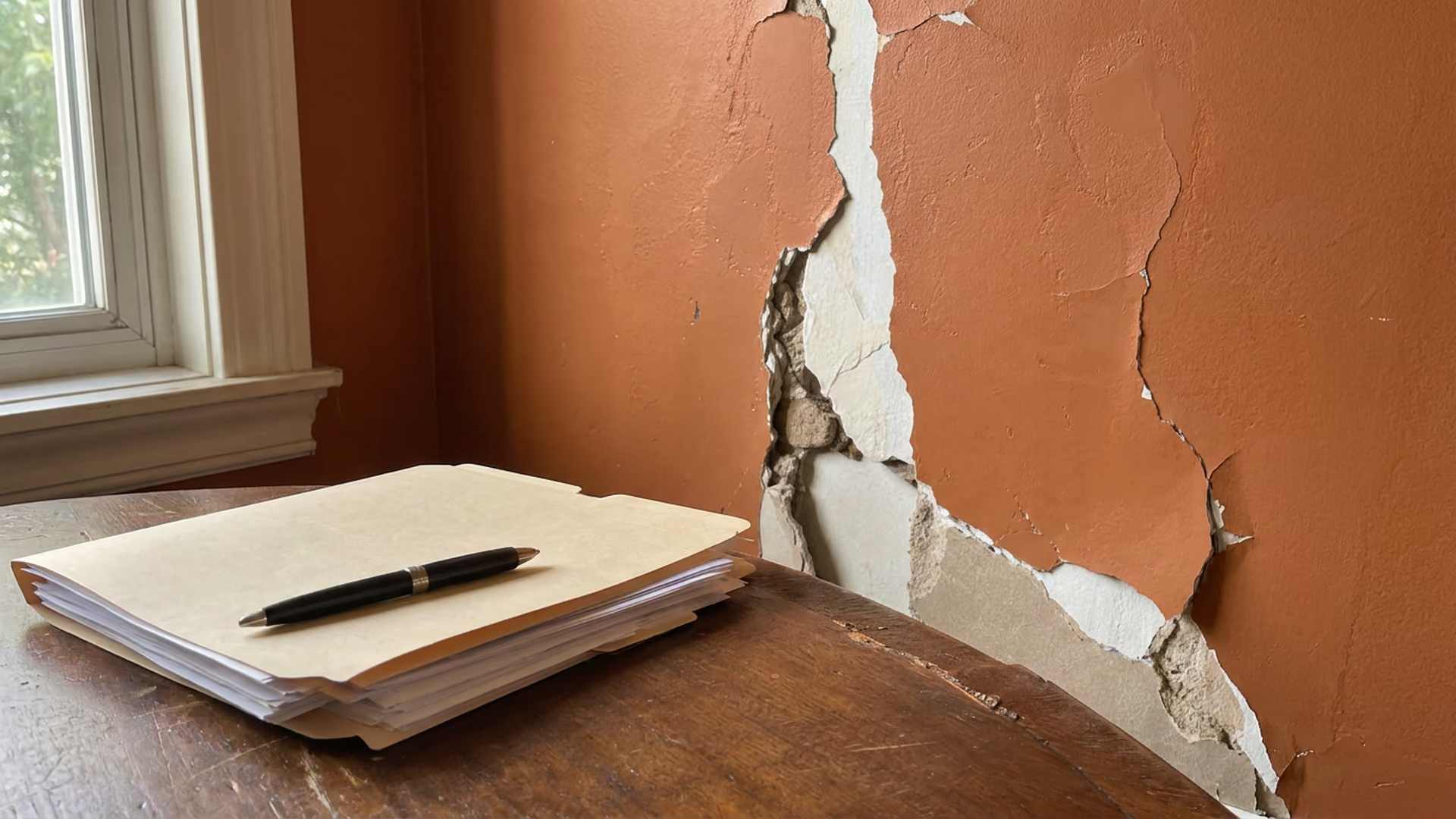
Confused about how insurance pays for reconstruction after property damage? This step-by-step guide explains the entire process from scope of work to final payment.


