


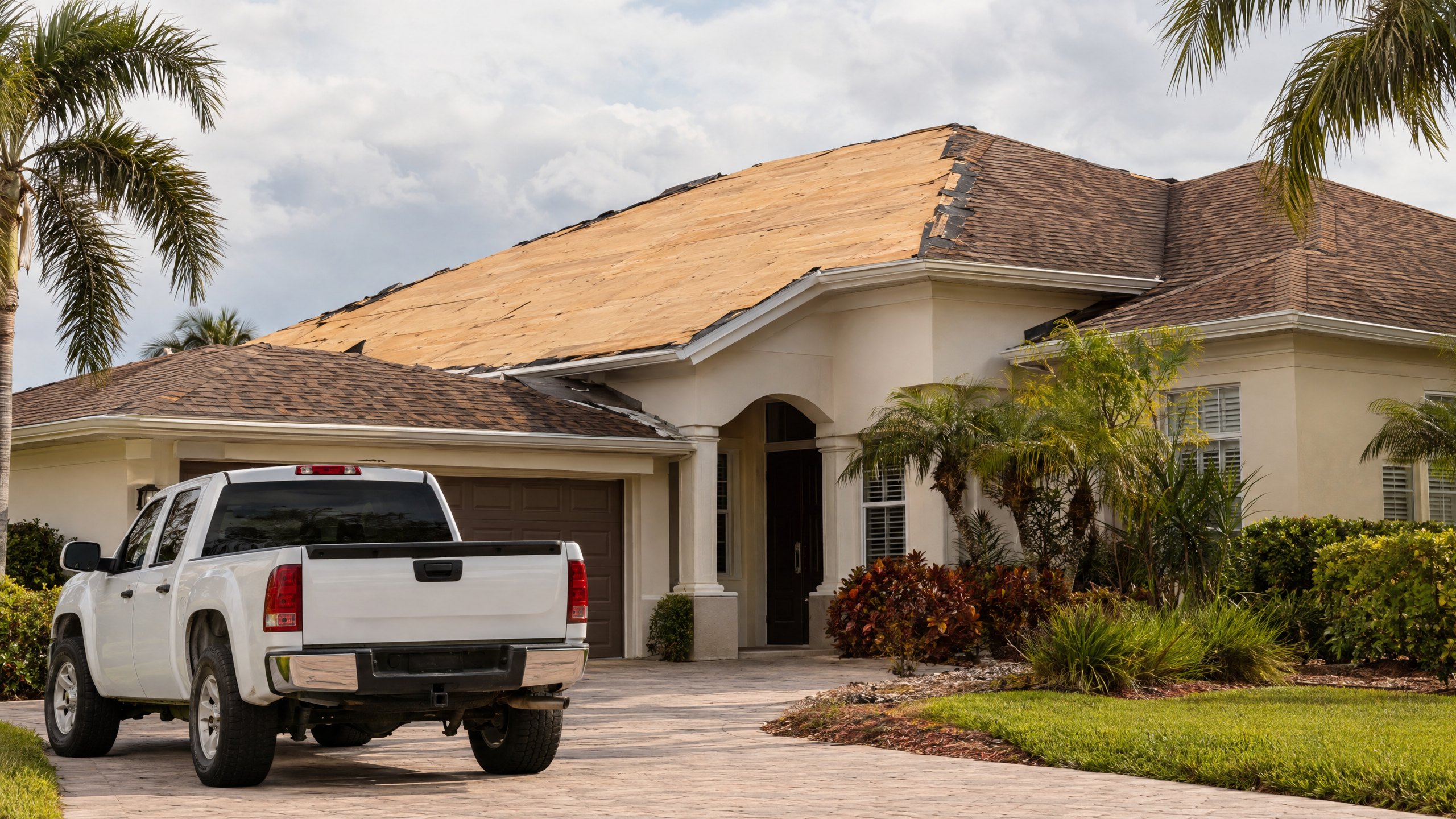
Florida's 25 Percent Roof Rule: Quick Answer
Quick answer: Florida's 25 percent rule said that if more than a quarter of a roof was repaired, replaced or recovered within a 12 month period, the entire roofing system had to be brought up to current code. Since May 2022, Florida Statute 553.844(5) carves out a major exception. If the existing roofing system or roof section was built, repaired or replaced in compliance with the 2007 Florida Building Code or any later edition, then only the repaired, replaced or recovered portion has to meet the code in effect. The practical dividing line is the age of your roof, not the size of the damage.
This is the single most consequential building code provision for a Florida property owner with partial storm damage, and most of what circulates about it online is two editions out of date. Content still says that crossing 25 percent means a new roof. For a large share of Florida roofs, that stopped being true more than four years ago.
What did the old 25 percent rule require?
Under the Florida Building Code as it stood before the 2022 change, not more than 25 percent of the total roof area or roof section could be repaired, replaced or recovered in any 12 month period unless the entire roofing system was brought into compliance with the code in effect.
The intent was windstorm loss mitigation. The effect, in practice, was that a homeowner with hail or wind damage across a third of one slope could be told the whole roof had to go, including the two thirds that were performing fine. On a tile roof or a large commercial deck, that difference is enormous.
It also had a perverse consequence after a storm. Owners deferred legitimate repairs, because a repair that crossed the threshold triggered a cost they could not fund, and a deferred roof is how a covered storm loss decays into an uncovered maintenance problem.
What does the 2022 exception actually say?
Florida Statute 553.844(5) applies notwithstanding any provision in the Florida Building Code to the contrary. The operative condition is that the existing roofing system or roof section was built, repaired or replaced in compliance with the requirements of the 2007 Florida Building Code or a later edition. Where that is true, and 25 percent or more of that roofing system or roof section is being repaired, replaced or recovered, only the repaired, replaced or recovered portion is required to meet the Florida Building Code in effect.
Two details matter and are usually left out.
The Florida Building Commission was directed to adopt the exception by rule, so it lives in the current code edition as well as the statute. And local governments may not adopt administrative or technical amendments to this exception by ordinance, so a city cannot reinstate the old rule locally.
How do you know which side of the line your roof is on?
- Built, repaired or replaced to the 2007 Florida Building Code or later: Exception applies. Only the damaged portion must meet current code.
- Built to a pre-2007 code and never brought forward: Original 25 percent rule generally still applies.
- No permit records available: Treated as unproven. Expect the building official to require documentation.
- Mixed, with one slope reroofed and another original: Assessed by roofing system or roof section, so the answer can differ by section.
The practical answer comes from permit records. Your county or city building department can tell you when a roof permit was last pulled on your address and under which code edition. That one phone call is often worth thousands of dollars, and it is free.
If no permit was ever pulled for a reroof, you are in a weaker position regardless of what the roof looks like, which is one more reason unpermitted work costs more than it saves.
How long should the permit take?
Florida put the clock on the building department, not just on you. Under Florida Statute 553.792, for roofing and residential permits on structures under 7,500 square feet, the local government generally has 30 business days to approve or deny a complete and sufficient application, and 60 business days for structures of 7,500 square feet or more.
There are teeth. Missing a deadline reduces the permit fee by 10 percent of the original fee for each business day late, with exceptions where the delay is yours, where both sides agreed in writing to an extension, or where the agency sent timely written notice of specific code deficiencies.
Knowing this does not speed up your permit, but it does tell you whether a quoted delay is normal or whether somebody is sitting on a file.
Should you repair or replace even when the rule lets you repair?
This is where honest advice diverges from the cheapest answer.
Repair is usually right when the roof is young, the undamaged sections have documented remaining service life, the damage is confined, and you can match the existing product. Matching matters more than people expect, because a discontinued profile or color turns a clean repair into a visible patch and can create a flashing detail that leaks.
Replacement is usually right when the roof is near the end of its service life anyway, when the damage is spread across multiple sections, when the existing product is no longer available, or when the underlayment and fastening pattern below the surface predate current wind uplift requirements. The exception lets you repair in part. It does not make a 24 year old roof a good bet.
And there is a case for replacement that has nothing to do with code. Florida carriers use roof age and condition as underwriting inputs, and a patched roof near the end of its life can drive a non renewal that costs more than the difference between the two scopes. Ask your agent before you decide.
For a roof affected by a broader covered loss, rebuild post-loss work can coordinate the roof with the rest of the property scope. Storm-related damage may also require flood and storm reconstruction, while larger property owners may need commercial reconstruction. Understanding how the reconstruction process works can help you sequence inspections, permitting and repairs.
When is this not our call to make?
Worth being direct about scope. In Florida, roofing contractor is a Division II specialty classification under Florida Statute 489.105(3), separate from the Division I general, building and residential contractor classifications. On a reconstruction project the roofing scope is performed under the appropriate classification, whether that is the general contractor's own license where the work falls inside it or a licensed roofing contractor engaged for it.
What that means for you as an owner is simple: ask who is pulling the roof permit and under which license number, and verify it at myfloridalicense.com before work starts. A contractor who cannot answer that cleanly is telling you something.
Where a roof is one component of a larger post loss rebuild, there is real value in one firm holding the whole scope so the roof, the envelope and the interior are sequenced together. Where a roof is the only thing wrong, a dedicated roofing contractor is often the better and cheaper answer, and we will say so.
Frequently asked questions
What is Florida's 25 percent roof rule?
It is the building code provision stating that not more than 25 percent of a total roof area or roof section may be repaired, replaced or recovered in a 12 month period unless the entire roofing system is brought up to the code in effect.
Did the 25 percent rule go away?
Not entirely. Florida Statute 553.844(5), effective May 2022, created an exception: if the existing roofing system or roof section complies with the 2007 Florida Building Code or later, only the repaired, replaced or recovered portion must meet current code.
How do I find out which code my roof was built to?
Call your county or city building department and ask for the permit history on your address. They can tell you when a roof permit was last issued and under which code edition. There is no charge for asking.
Can my city require a full replacement anyway?
Local governments may not adopt administrative or technical amendments to this statutory exception by ordinance. If a local official is applying the old rule to a roof that qualifies, that is worth escalating with the statute in hand.
How long can a roof permit take in Florida?
Under Florida Statute 553.792, generally 30 business days to approve or deny for roofing and residential permits on structures under 7,500 square feet, and 60 business days at or above that size, counted from a complete and sufficient application.
Is repairing always cheaper than replacing?
Not over the life of the roof. Repair makes sense on a young roof with confined damage and an available matching product. On an aging roof, or one with damage across several sections, replacement often costs less in total and carries less insurance risk.
Get the roof scoped as part of the whole building
SP Reconstruction rebuilds after storm, fire and water loss throughout Florida, from the Panhandle and North Florida through Central Florida, the Gulf Coast, Southeast Florida and the Keys. We are a licensed Florida contracting firm, CBC1261730, an IICRC Certified Firm, OSHA compliant and following NAHB guidelines.
This article summarizes Florida statutes as of October 2026 and is general information, not legal advice. Code application is determined by your local building official. Confirm current requirements with your building department.
Call SP Reconstruction at (877) 716-1520 for a comprehensive evaluation, and let us restore your property to its full potential.
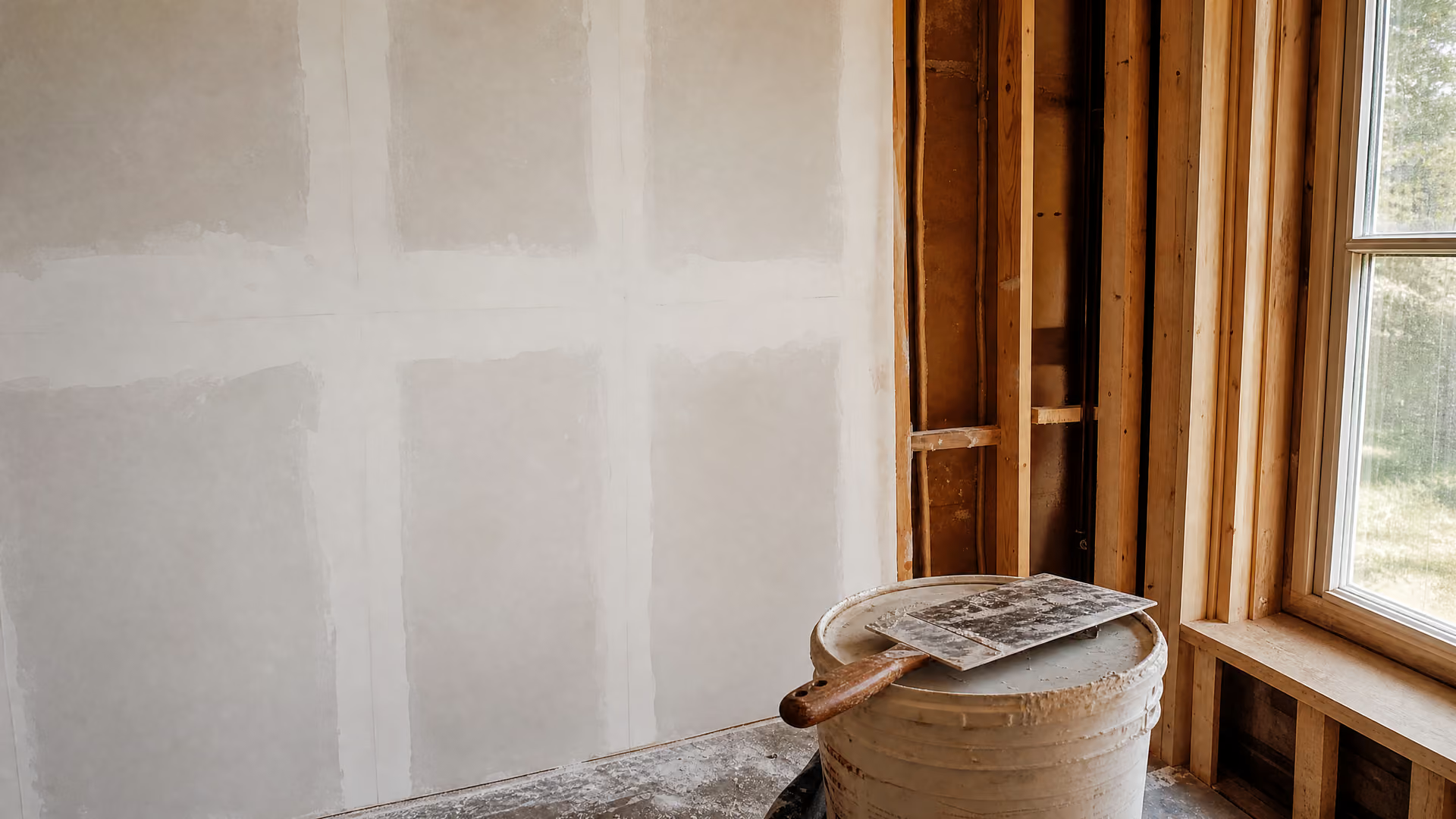
Reconstruction Is the Missing Link Between Cleanup and a Finished Property
Reconstruction connects mitigation and final repairs after water, fire, storm, or mold damage. Learn how educational content can guide property owners to the right service.
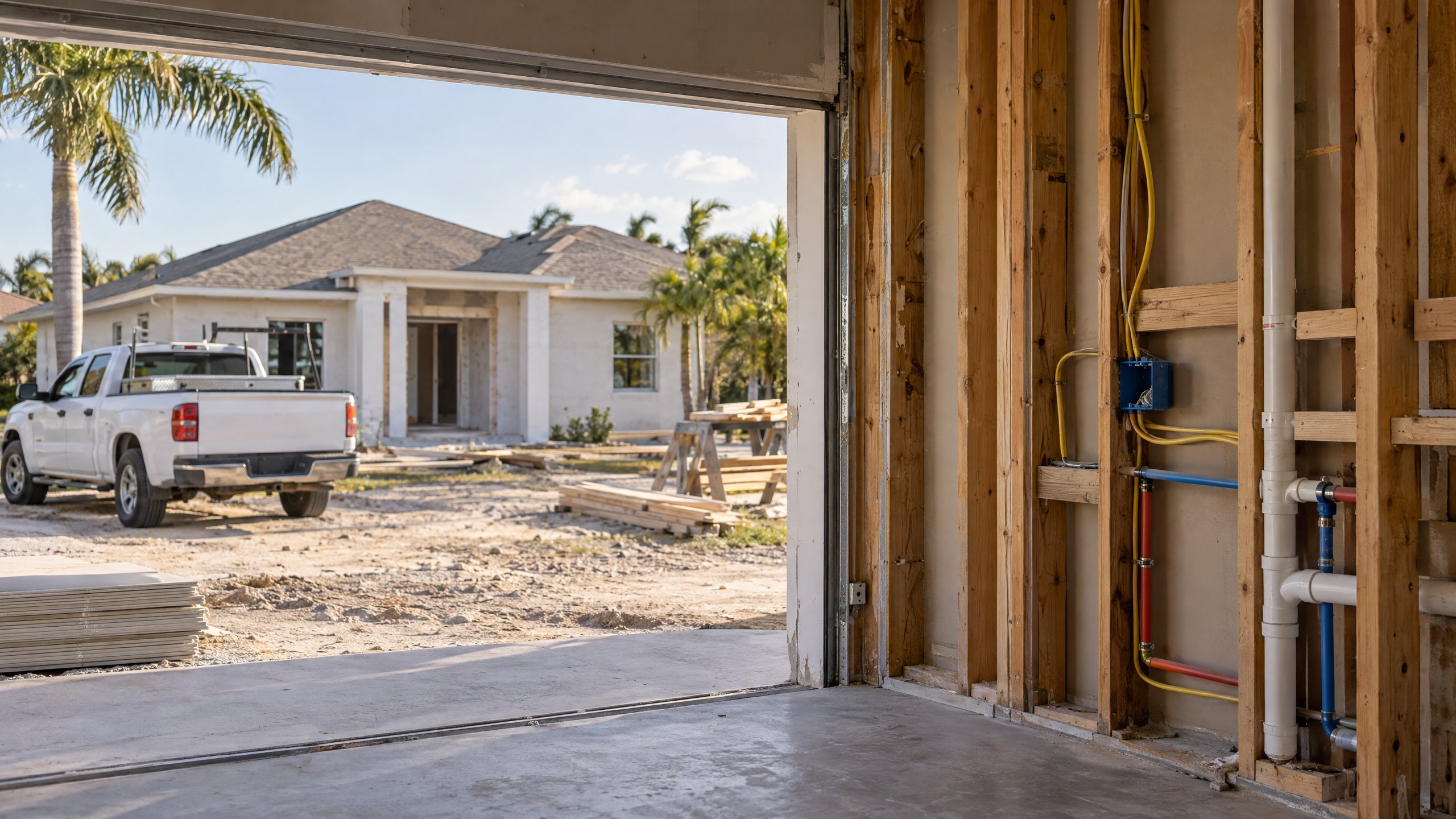
Permits and Inspections Are What Actually Set Your Rebuild Schedule in Florida
Florida permit deadlines and inspection sequencing can determine your rebuild schedule. Learn the rules and avoid costly delays.


