


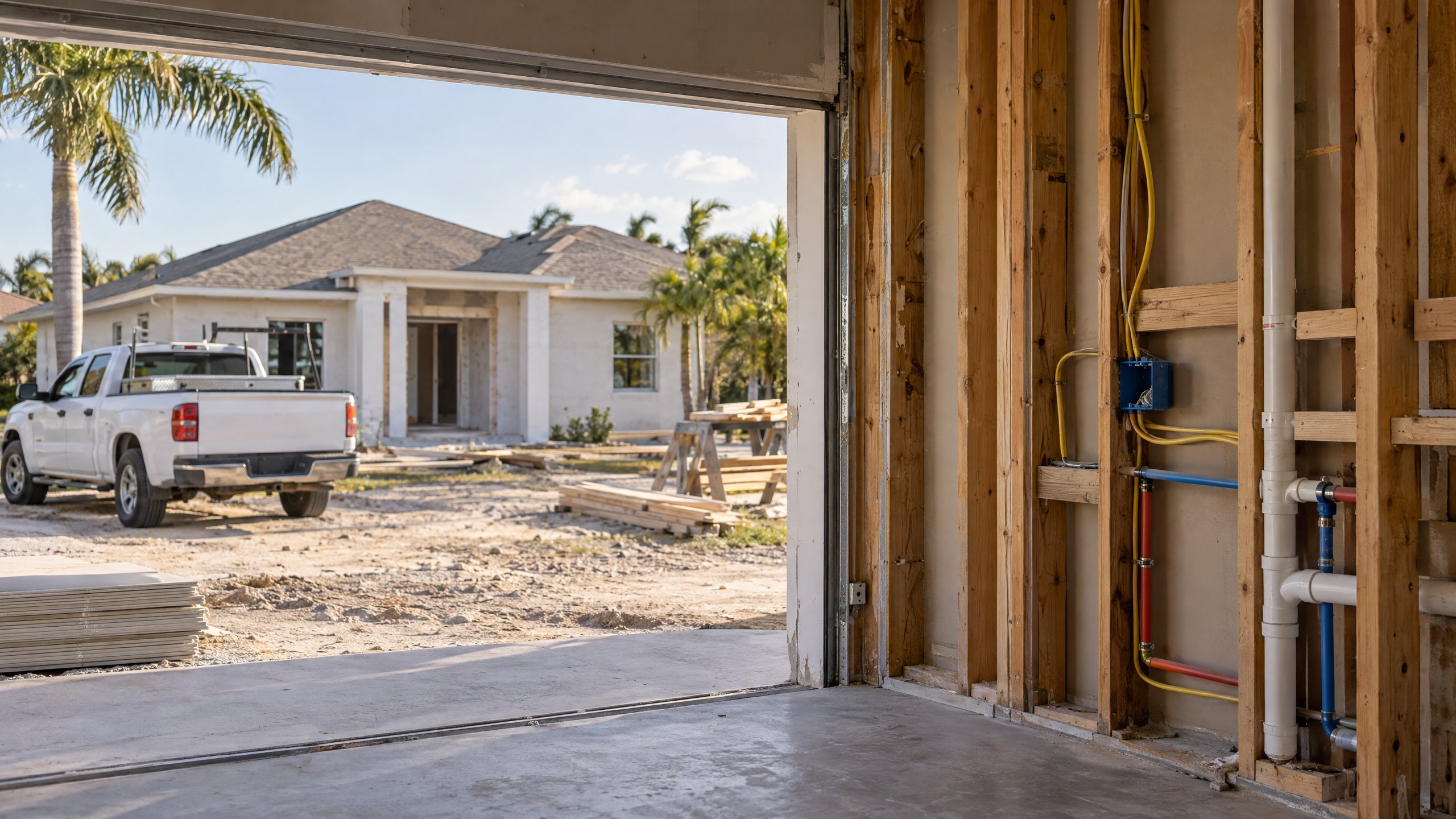
What sets your Florida rebuild schedule?
Quick answer: on most Florida post loss rebuilds, the critical path is not labor or materials. It is the permit and the inspection sequence. Florida Statute 553.792 generally gives a local government 30 business days to approve or deny a complete and sufficient application for residential permits on structures under 7,500 square feet, and 60 business days at or above that size, with the permit fee reduced 10 percent per business day when it misses. Inspections then gate every stage: you cannot close a wall until the rough inspection passes, and a failed inspection costs days, not hours.
Property owners usually blame the contractor for a slow post loss rebuild. Sometimes that is fair. More often the schedule is being set by two things the contractor does not control: how fast the building department moves, and how many times an inspector has to come back.
Understanding that sequence is the difference between a frustrating project and a predictable one.
What triggers a permit in a Florida rebuild?
More than people expect, and less than some contractors claim.
Generally permit triggered: structural work of any kind, including framing, headers and sheathing. Electrical, plumbing and mechanical work beyond simple device replacement. Roofing. Window and door replacement, because of opening protection and product approval requirements. Moving a wall. Anything that changes the building envelope.
Generally not permit triggered: painting, flooring over an existing substrate, cabinet replacement in the same footprint with no plumbing or electrical changes, cosmetic drywall patching, and like for like fixture swaps.
The gray zone is drywall. Replacing a few sheets after a water loss, with no insulation or framing involvement, is often handled without a permit. Opening multiple walls to the stud, replacing insulation and rewiring is a permitted job. Your local jurisdiction decides where that line sits, and jurisdictions differ.
The honest version of this: a contractor who tells you no permit is needed on a job that clearly involves structure, electrical or plumbing is not saving you money. They are moving risk onto you, because an unpermitted condition surfaces at resale, at refinance, or in the next claim.
What are the statutory deadlines?
- Local government tells you in writing what is missing: 5 business days from submission, under 553.792.
- Application deemed complete if no such notice: Automatic, under 553.792.
- Approve or deny, residential and roofing under 7,500 sq ft: 30 business days, under 553.792.
- Approve or deny, 7,500 sq ft or more: 60 business days, under 553.792.
- Approve or deny, signs and nonresidential under 25,000 sq ft: 60 business days, under 553.792.
- Site specific permit under a master building permit: 12 business days, under 553.792.
- Agency action after you submit revisions: 10 business days, under 553.792.
- Fee reduction for a missed initial deadline: 10 percent of the original fee per business day, under 553.792.
- Fee reduction after missed revision deadline: 20 percent per business day, under 553.792.
Those reductions have exceptions. They do not apply when the delay is caused by the applicant, when both sides agreed in writing to an extension, when force majeure or extraordinary circumstances apply, or when the agency sent timely written notice listing the specific code deficiencies and gave you 10 business days to correct them. A local ordinance with stricter timeframes controls.
A waiver matters too. You can waive the timeframes in writing, but a local government cannot require that waiver as a condition of reviewing your application.
What is a private provider, and should you use one?
This is the least known lever in Florida construction, and on a stalled rebuild it is sometimes the whole answer.
Florida Statute 553.791 lets an owner or contractor engage a licensed private provider firm to perform plans review and inspections instead of the local building department. The provider's engineer or architect submits a sealed affidavit of compliance, and the building official then has 10 business days to issue the permit or send written notice of specific noncompliant features citing the code chapters and sections. If the official does not respond within that window, the application is automatically approved and the permit issues the next business day.
That automatic approval provision is the part worth knowing. It converts an open ended wait into a bounded one.
The tradeoffs are real. You pay the private provider on top of the permit fee, so it costs more up front. Not every jurisdiction processes private provider submittals smoothly. And it works best on projects where the plans are clean, because a private provider does not make a deficient design compliant.
Where it earns its cost is a commercial rebuild with revenue on the line, or any project in a jurisdiction that is visibly backed up.
How does the inspection sequence gate the schedule?
Every rebuild has hard stops, and they come in a fixed order.
The pattern on a typical interior reconstruction runs: demolition and any required structural repair, then rough electrical, plumbing and mechanical, then insulation, then the rough or framing inspection, then drywall, then finishes, then the final inspection and certificate of completion or occupancy.
The expensive mistake is closing a wall before the rough inspection passes. That is not a paperwork problem. The drywall comes back off, which means a second demolition, a second disposal, a second drywall order and a second finish cycle on the same wall.
Two things compress this sequence honestly. Scheduling inspections for the same day where the jurisdiction allows combined inspections, and getting the trades genuinely ready before calling for one, because a failed inspection does not just cost the re-inspection, it costs the slot. How the insurance reconstruction process works follows a broader project sequence.
When should you not pull the permit yourself?
Florida has an owner builder exemption, and it is a trap more often than a saving.
Using it makes you the party responsible for code compliance on your own property, and it exposes you on anyone injured doing the work. It also removes the licensed contractor whose name and license are accountable for the result. A contractor who asks you to pull the permit is usually telling you they cannot, which is the single most useful piece of information you will get that day.
There is a narrow case where owner builder makes sense: genuinely small, genuinely self performed work on your own homestead, where you understand the code requirement and will be there for the inspections. A post loss rebuild funded by an insurance claim is not that case. The scope is larger than it looks at the start, and the documentation you will need for a supplemental claim is documentation a licensed contractor produces as a matter of course.
Frequently asked questions
How long does a building permit take in Florida?
Under Florida Statute 553.792, generally 30 business days for a local government to approve or deny residential and roofing permits on structures under 7,500 square feet, and 60 business days at or above that size, counted from a complete and sufficient application.
What happens if the building department misses the deadline?
The permit fee is reduced 10 percent of the original fee for each business day late, rising to 20 percent per business day if the agency misses its 10 business day window after you submit revisions. Several exceptions apply, including delays caused by the applicant.
Do I need a permit to replace drywall after water damage?
It depends on the scope and the jurisdiction. Cosmetic patching usually does not require one. Opening walls to the stud, replacing insulation, or touching electrical or plumbing generally does. Your local building department sets the line.
What is a private provider in Florida construction?
A licensed firm engaged under Florida Statute 553.791 to perform plans review and inspections in place of the local building department. If the building official does not act within 10 business days on a sealed affidavit of compliance, the application is automatically approved.
Can I pull my own permit as the homeowner?
Florida's owner builder exemption allows it, but it makes you responsible for code compliance and exposes you on injuries. On an insurance funded rebuild it is rarely worth it, and a contractor asking you to do it is usually telling you they are not licensed for the work.
Why did my inspection fail?
Most commonly because a trade was not fully ready, a required component was not accessible for inspection, or work was closed up before it could be seen. A failed inspection costs the re-inspection fee plus the scheduling slot, which is usually the larger cost.
This article summarizes Florida statutes as of October 2026 and is general information, not legal advice. Permit requirements and timeframes are applied by your local jurisdiction, and local ordinances with stricter timeframes control. Confirm current requirements with your building department.
Call SP Reconstruction at (877) 716-1520 for a comprehensive evaluation, and let us restore your property to its full potential.
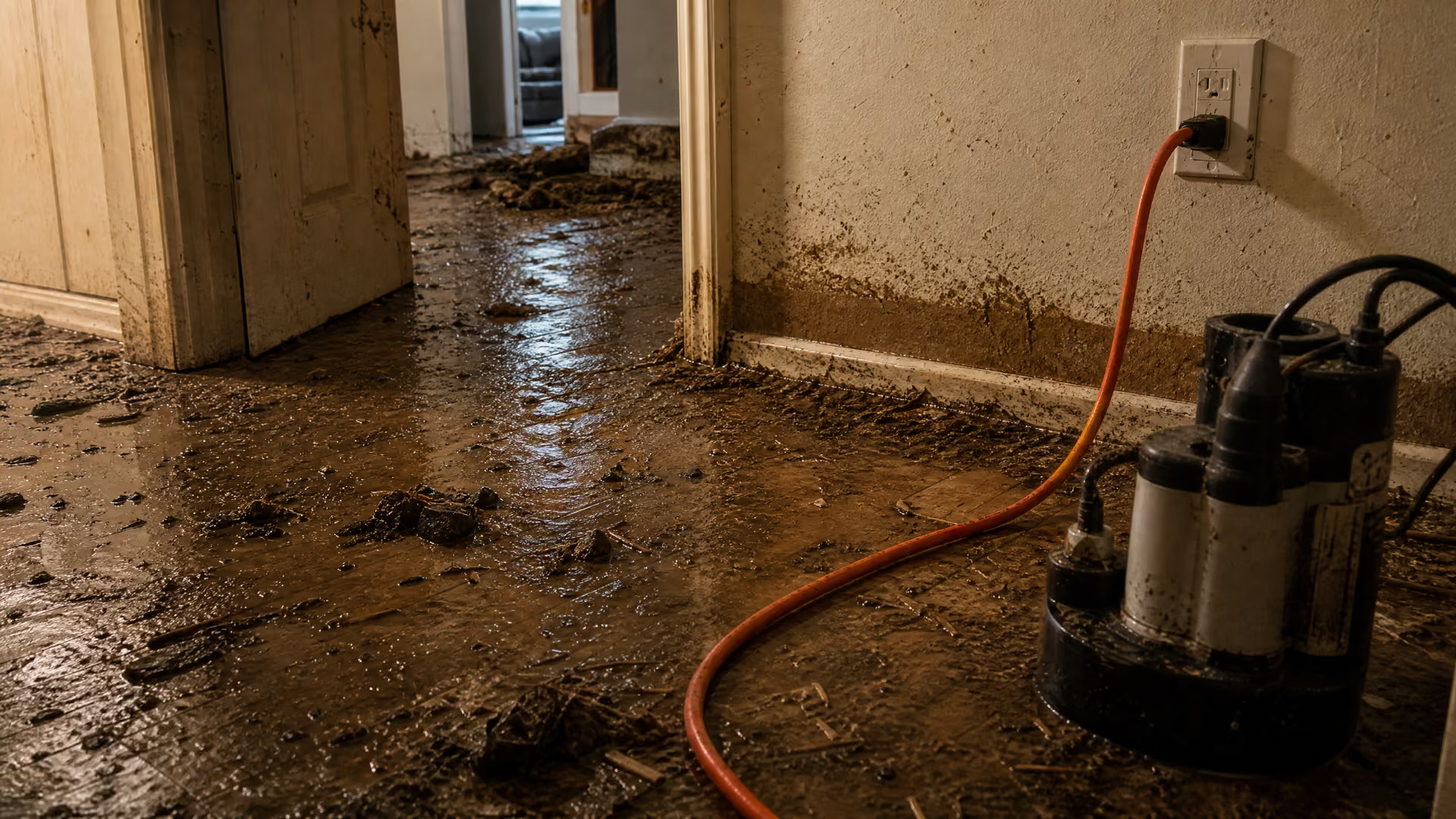
Hurricane and Flood Damage to Your Home: What to Do in the First 72 Hours
The first 72 hours after a hurricane or flood are critical. Here's a step-by-step guide to protecting your home, documenting damage, and starting the recovery process the right way.
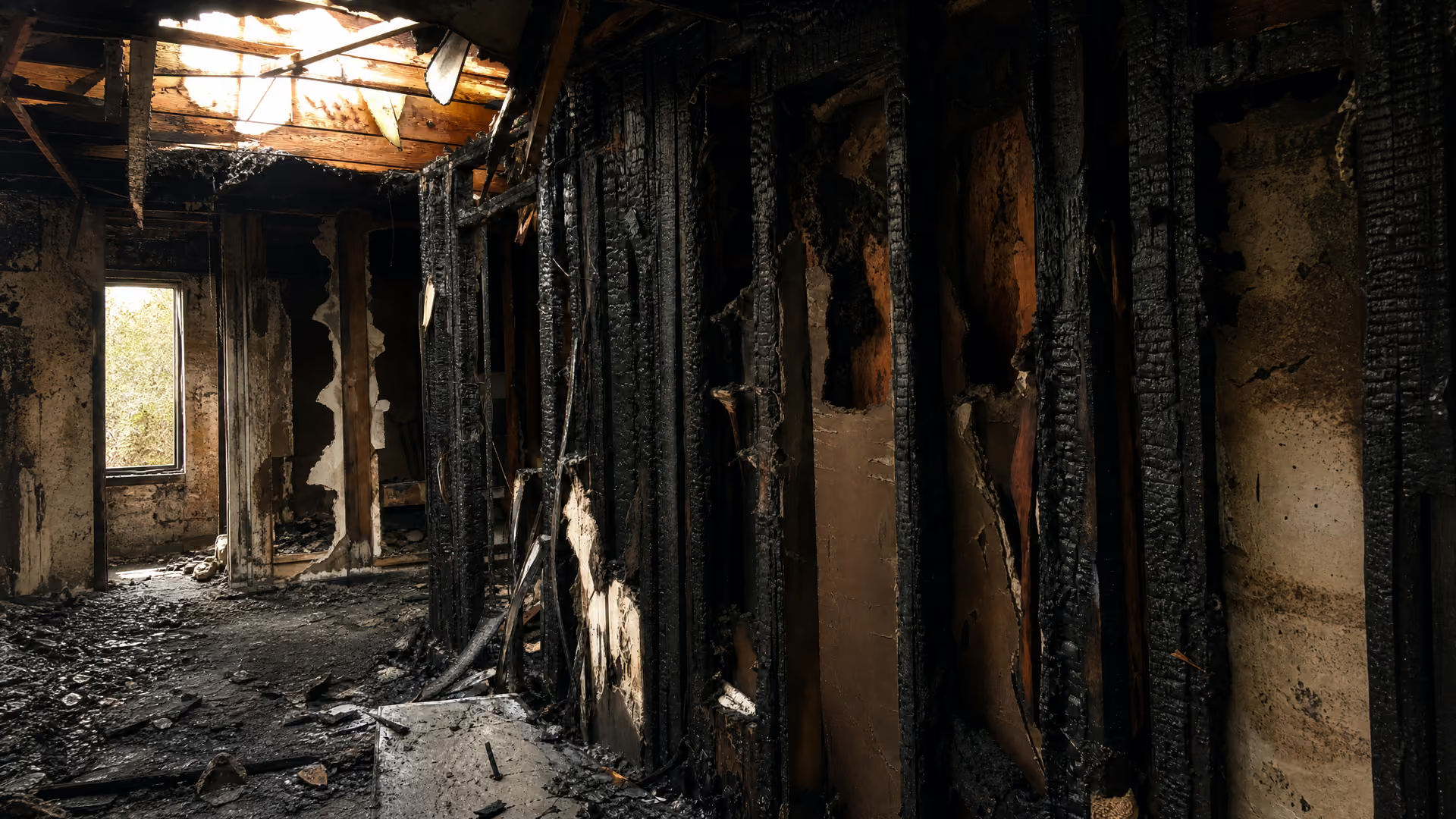
Fire and Storm Reconstruction: What Happens After the Emergency Is Under Control
Learn how fire and storm reconstruction connects emergency stabilization, cleanup, and rebuilding after property damage.


