

How the Insurance Reconstruction Process Works: A Step-by-Step Guide
Navigating a property damage claim is often one of the most stressful experiences a homeowner or business owner will face. When a property requires significant reconstruction after a fire, flood, or storm, understanding how the insurance process aligns with the rebuilding effort is essential for a smooth recovery.
Many property owners are surprised to learn that the insurance claim process for reconstruction is distinct from the initial emergency mitigation phase. This article provides a comprehensive, step-by-step guide to how the insurance reconstruction process works, empowering property owners to advocate for themselves and expedite their return to normalcy.
- Step 1: The Transition from Mitigation to Reconstruction. The property recovery process typically begins with emergency mitigation—extracting water, boarding up windows, or removing smoke-damaged debris. Once the mitigation team has completed their work and the structure is deemed safe and dry, the project transitions to the reconstruction phase. The insurance company often treats mitigation and reconstruction as two separate components of the claim.
- Step 2: The Initial Assessment and Scope of Work. The foundation of the reconstruction process is the "Scope of Work." This is a detailed document that outlines exactly what needs to be repaired or replaced to restore the property to its pre-loss condition. A qualified reconstruction contractor will conduct a thorough assessment of the damaged areas.
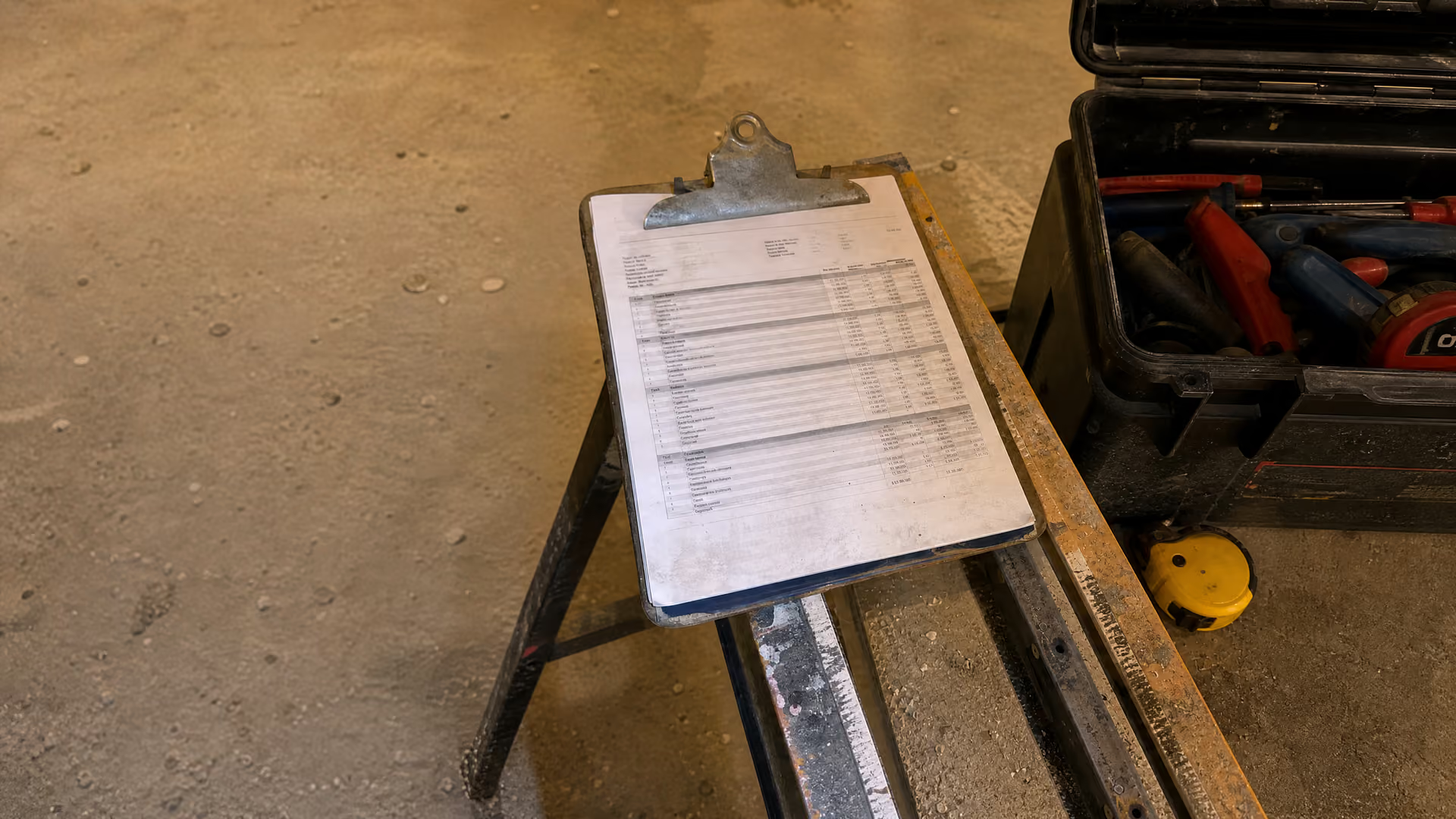
- Step 3: Generating the Estimate (The Xactimate Standard). In the property restoration industry, the standard tool for generating estimates is a software program called Xactimate. This software is utilized by both reconstruction contractors and insurance adjusters to generate a comprehensive, line-item estimate based on localized pricing databases.
- Step 4: The Adjuster Review and Agreement. Once the reconstruction contractor has generated their estimate, it is submitted to the insurance adjuster assigned to the claim. This stage often involves a period of negotiation between the reconstruction contractor and the insurance adjuster to ensure a fair and comprehensive settlement.
- Step 5: Material Selection and Upgrades. With the budget approved, the property owner must select the materials for the rebuild post loss. The insurance settlement is based on restoring the property using materials of "like kind and quality." However, the reconstruction phase also presents an opportunity for property owners to upgrade their space by paying the difference out-of-pocket.
- Step 6: The Reconstruction Phase. Once materials are selected and permits are secured, the physical reconstruction begins. A dedicated project manager from the reconstruction company will coordinate the various trades required for the project, such as framing, electrical, plumbing, drywall, and finishing. This applies to both residential and commercial reconstruction.
- Step 7: Final Inspection and Claim Closure. Upon completion of the reconstruction work, the project manager will conduct a final walkthrough with the property owner. Once the property owner signs a Certificate of Completion, the insurance company will release the final payment (recoverable depreciation) to cover the remaining balance.
Understanding this step-by-step process demystifies the complexities of insurance reconstruction. By partnering with a contractor who is fluent in the language of insurance claims, property owners can navigate this challenging period with confidence and clarity. Contact us today to get started on your reconstruction project.

Condo Reconstruction in Florida: Who Pays for What After a Loss
Florida condo reconstruction responsibilities often stop at the drywall. Learn what associations and unit owners generally pay for after a loss.
What Does Property Reconstruction Cost? Factors That Affect the Price
Wondering how much it costs to rebuild after water, fire, or storm damage? This guide breaks down the key factors that influence property reconstruction costs and how insurance fits in.


