

How to Choose a Reconstruction Contractor After Property Damage
Experiencing property damage from a fire, flood or storm is a devastating event that leaves property owners feeling overwhelmed and vulnerable. Once the initial shock subsides and the emergency mitigation crew has removed the standing water, dried the structure, or boarded up the windows, the most critical decision remains: who will put everything back together?
Selecting the right reconstruction contractor is not the same as hiring a general contractor for a standard remodel. Post-loss rebuilding requires specialized expertise in assessing compromised structures, navigating complex insurance claims, and managing the unique challenges that arise when building materials have been exposed to water, smoke, or impact damage. This article provides a comprehensive guide on what to look for when choosing a reconstruction contractor to ensure your property is restored safely, efficiently, and to its pre-loss condition.
The Difference Between Construction and Reconstruction
It is essential to understand that reconstruction is a specialized field within the construction industry. While traditional construction involves building from the ground up or remodeling an existing space under controlled conditions, reconstruction involves rebuilding a structure that has been compromised by an unforeseen disaster.
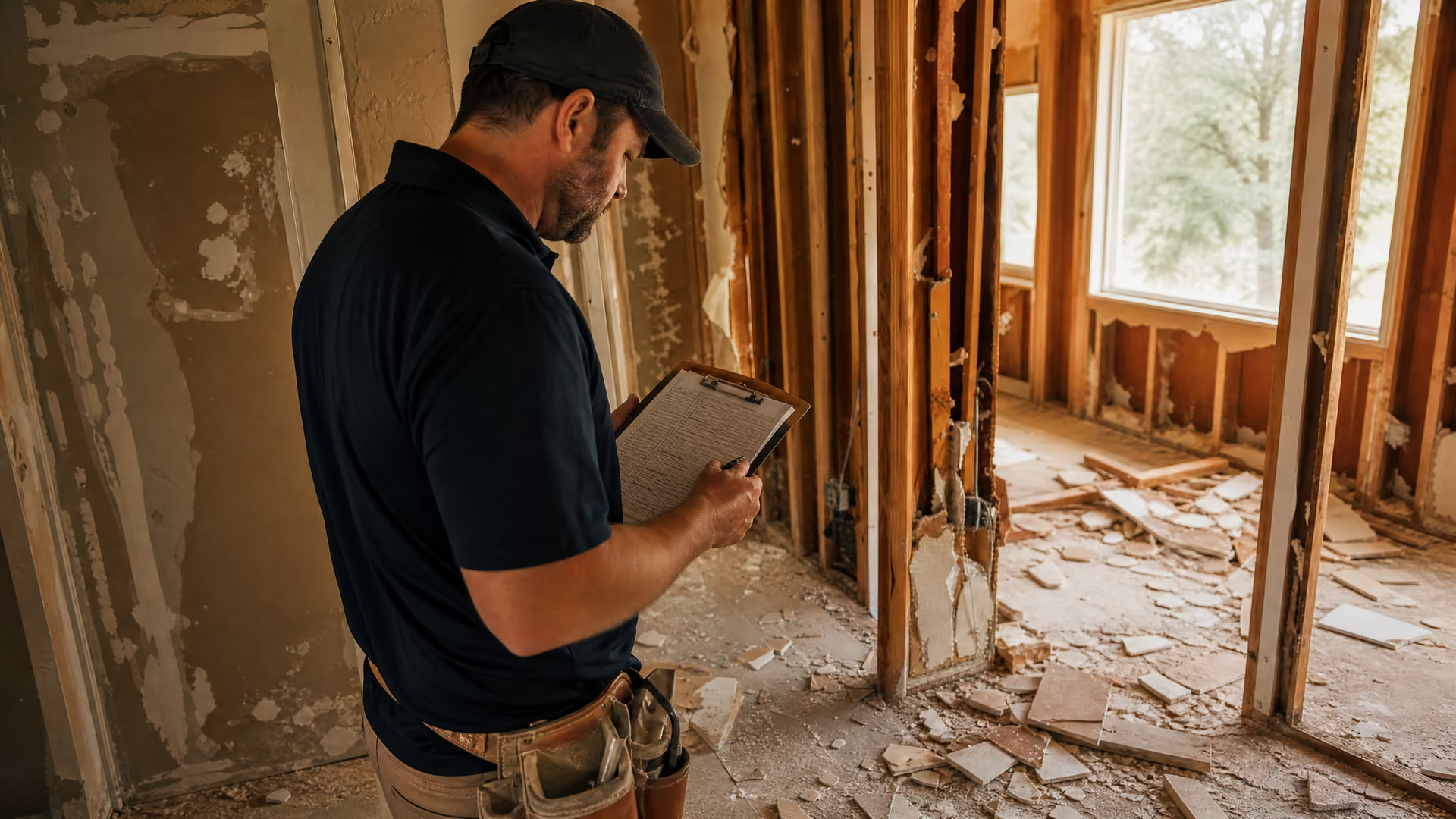
A standard contractor may excel at installing new cabinets or laying hardwood floors, but they may lack the expertise to identify hidden structural damage caused by prolonged water exposure or the lingering effects of smoke penetration. A dedicated reconstruction contractor possesses the necessary training and experience to address these underlying issues before any cosmetic work begins, ensuring the long-term safety and integrity of the property.
Key Qualifications to Look For
When vetting potential reconstruction contractors, several critical qualifications should guide your decision-making process. These credentials serve as indicators of the contractor's professionalism, reliability, and commitment to industry standards.
- Specialized Certifications and Training: The restoration and reconstruction industry is governed by specific standards and best practices. The most prominent certifying body is the Institute of Inspection, Cleaning and Restoration Certification (IICRC). An IICRC Certified Firm has demonstrated a commitment to ongoing education and adherence to the highest standards in the industry. Furthermore, a reputable reconstruction contractor should be fully compliant with Occupational Safety and Health Administration (OSHA) regulations and follow guidelines established by the National Association of Home Builders (NAHB). These certifications ensure that the contractor utilizes safe work practices and employs proven techniques for structural repair and finishing.
- Comprehensive Insurance Expertise: One of the most significant challenges property owners face after a disaster is navigating the insurance claims process. A qualified reconstruction contractor should have extensive experience working directly with insurance adjusters. They must be adept at interpreting insurance scopes of work, providing detailed and accurate estimates using industry-standard software, and advocating for the property owner to ensure all necessary repairs are covered. Contractors who understand the intricacies of insurance claims can significantly reduce delays and alleviate the administrative burden on the property owner. They can facilitate communication between all parties involved, ensuring a smoother and more efficient rebuilding process.
- A Single-Source Solution: Managing a reconstruction project often involves coordinating multiple trades, including framing, drywall, electrical, plumbing, and finishing work. Hiring separate contractors for each phase can lead to scheduling conflicts, miscommunication, and prolonged timelines. A superior reconstruction contractor offers a single-source solution, providing a dedicated project manager who oversees every aspect of the rebuild from start to finish. This single point of contact streamlines communication, ensures accountability, and allows for tighter control over the project schedule and budget.
Essential Questions to Ask Potential Contractors
Before signing any agreements, property owners should conduct thorough interviews with potential reconstruction contractors. Asking the right questions can reveal vital information about their capabilities and approach to the project.
- Are you licensed and insured for this specific type of work? Verify that the contractor holds the appropriate licenses for your state and carries adequate liability and workers' compensation insurance.
- Can you provide references from previous reconstruction projects? Request references from clients who have experienced similar types of property damage and follow up with them to inquire about their experience.
- How do you handle the insurance claims process? Ensure the contractor is willing and able to work directly with your insurance company and understands the necessary documentation requirements.
- Will I have a dedicated project manager? Confirm that you will have a single point of contact who will be responsible for overseeing the daily operations of your project.
- What is your estimated timeline for completion? While unforeseen issues can arise during reconstruction, a reputable contractor should provide a realistic and detailed timeline based on their initial assessment.
Choosing a reconstruction contractor is a critical step in the recovery process. By prioritizing specialized experience, industry certifications, insurance expertise, and clear communication, property owners can select a partner who will transform a damaged structure back into a safe, comfortable, and fully functional space. Whether residential or commercial, when disaster strikes, partnering with a proven reconstruction expert ensures that the final result is not just a repaired building, but a fully restored property that meets or exceeds its original condition.
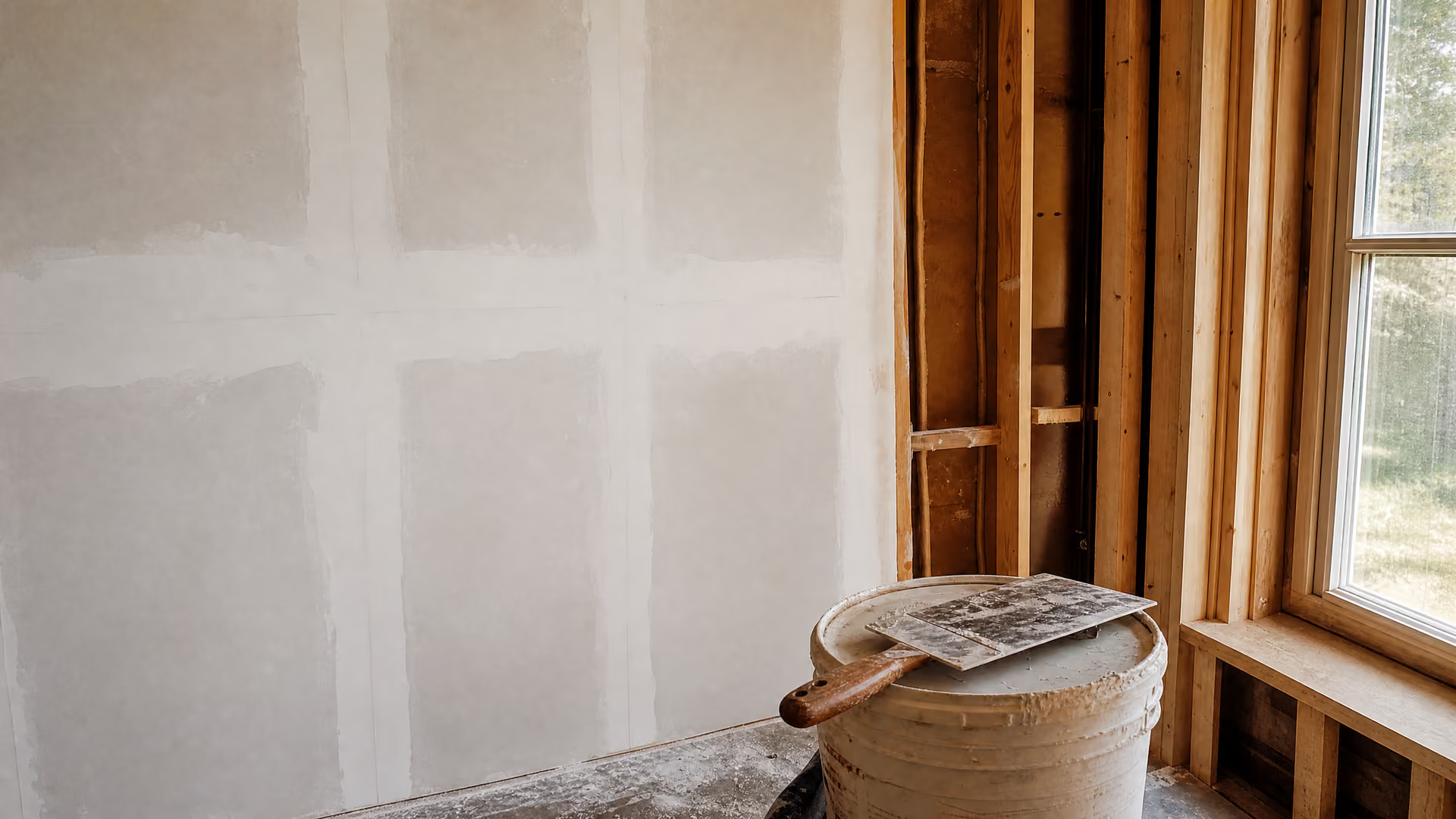
Reconstruction Is the Missing Link Between Cleanup and a Finished Property
Reconstruction connects mitigation and final repairs after water, fire, storm, or mold damage. Learn how educational content can guide property owners to the right service.
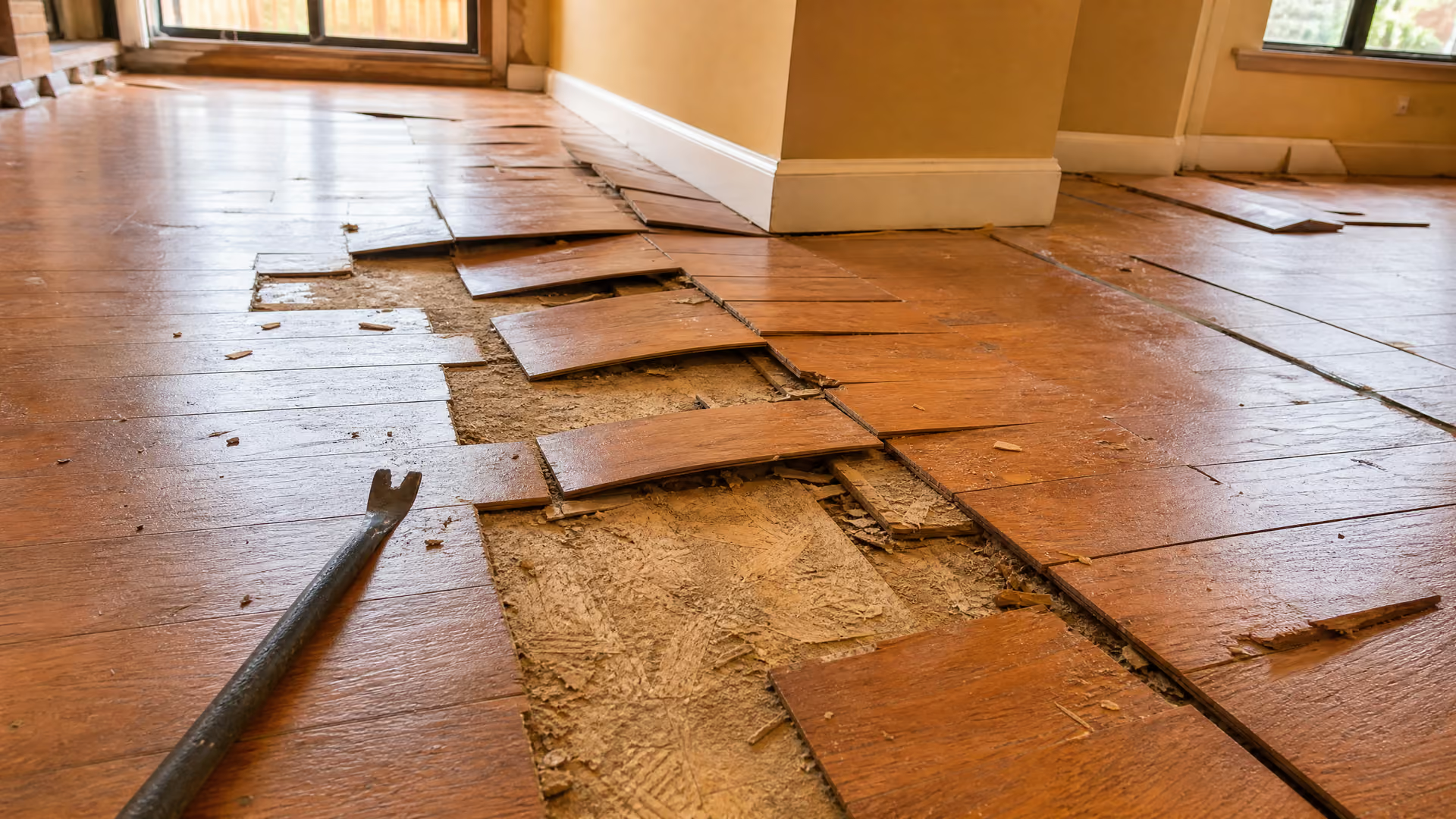
Flooring Replacement After Water or Fire Damage: What You Need to Know
Does water or fire damage always mean replacing your floors? Learn how different flooring types respond to damage, when replacement is necessary, and how insurance covers the cost.


