

Reconstruction Is the Missing Link Between Cleanup and a Finished Property
Many property owners do not know what happens after emergency cleanup. They understand that water needs to be removed, smoke needs to be cleaned, a roof opening needs to be covered, or mold-damaged materials need to be addressed. What they may not understand is how the property gets from that emergency stage back to a finished space. Reconstruction is the missing link.
This creates an important education opportunity. When people search online after a property loss, they often use service terms tied to the immediate problem. They search for water damage restoration after a pipe break. They search for fire damage restoration after a kitchen fire. They search for storm damage restoration after high winds or roof leaks. They search for mold remediation when moisture has created visible growth or concern. Those services are essential, but many of those same customers will also need reconstruction.
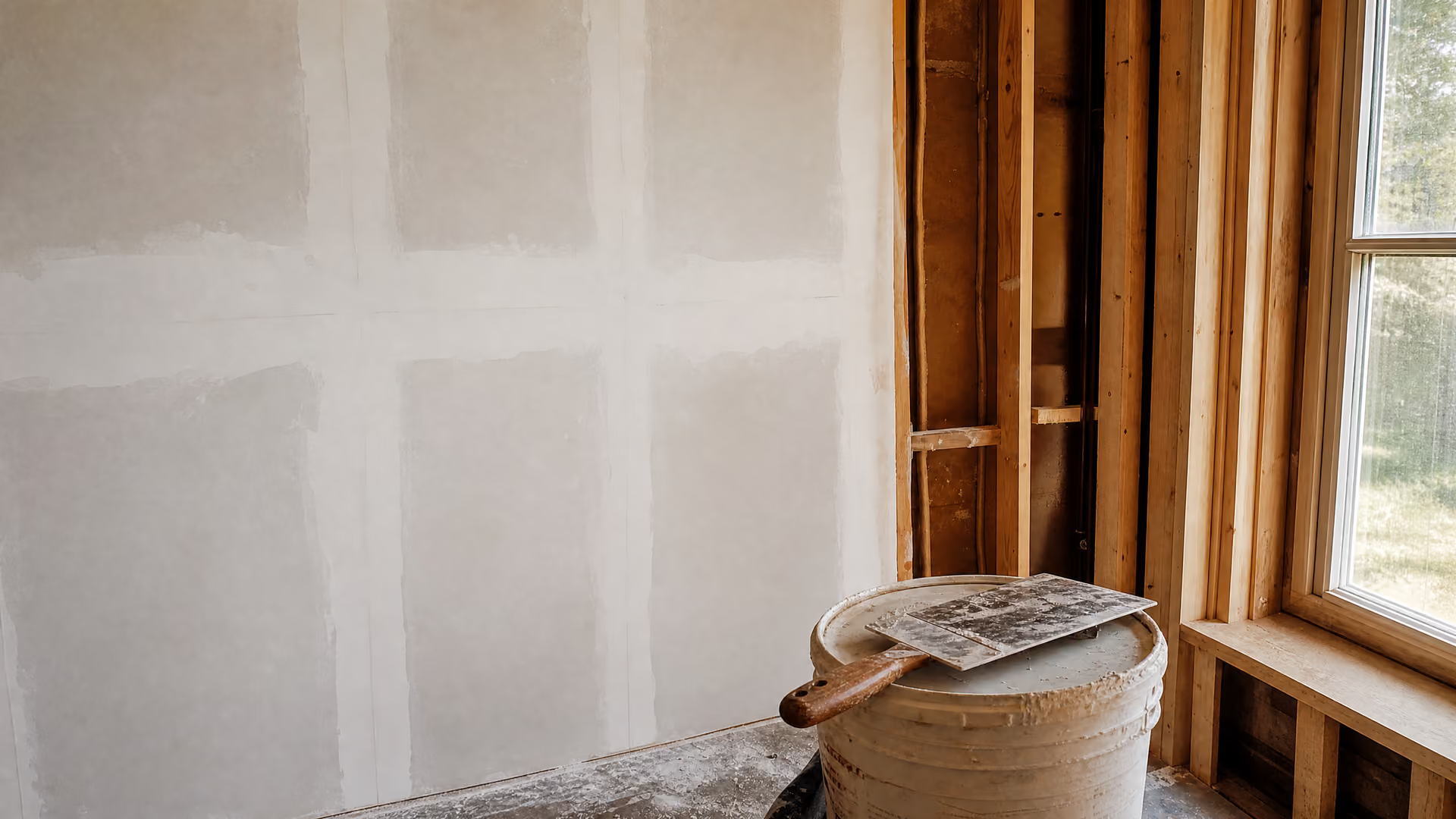
Reconstruction helps answer the customer's next question: "Who puts everything back?" If drywall was removed, who replaces it? If flooring was damaged, who installs new material? If cabinets were affected, how does that repair get scoped? If a ceiling was opened for drying, how does it get patched, textured, and painted? If a business had demolition after a water loss, how does the space become usable again?
- Water damage restoration: Immediate need: Extract water, dry structure, remove affected materials. Next step: Repair drywall, flooring, trim, cabinets, or ceilings.
- Fire damage restoration: Immediate need: Clean smoke, remove debris, control odor. Next step: Rebuild burned or smoke-affected areas.
- Storm damage restoration: Immediate need: Protect openings, stop additional damage, dry wet areas. Next step: Repair roofing, ceilings, walls, and finishes.
- Mold remediation: Immediate need: Remove affected materials and address conditions. Next step: Rebuild removed drywall, trim, or finishes.
- Packout and contents restoration: Immediate need: Protect and clean belongings. Next step: Coordinate repairs around contents and access.
For homeowners, reconstruction may mean getting a bedroom, kitchen, bathroom, living room, or garage back to normal. For business owners, it may mean reopening a lobby, office, retail floor, classroom, medical room, warehouse, or tenant space. In both cases, the emotional value is significant. The property owner wants the disruption to end.
Reconstruction is therefore more than the final repair stage. It is the point where the customer sees progress turning into recovery. Walls are closed. Floors are restored. Damaged finishes are replaced. The property starts to feel usable again.
The takeaway is simple. Cleanup stops the damage from getting worse. Reconstruction helps make the property whole again.
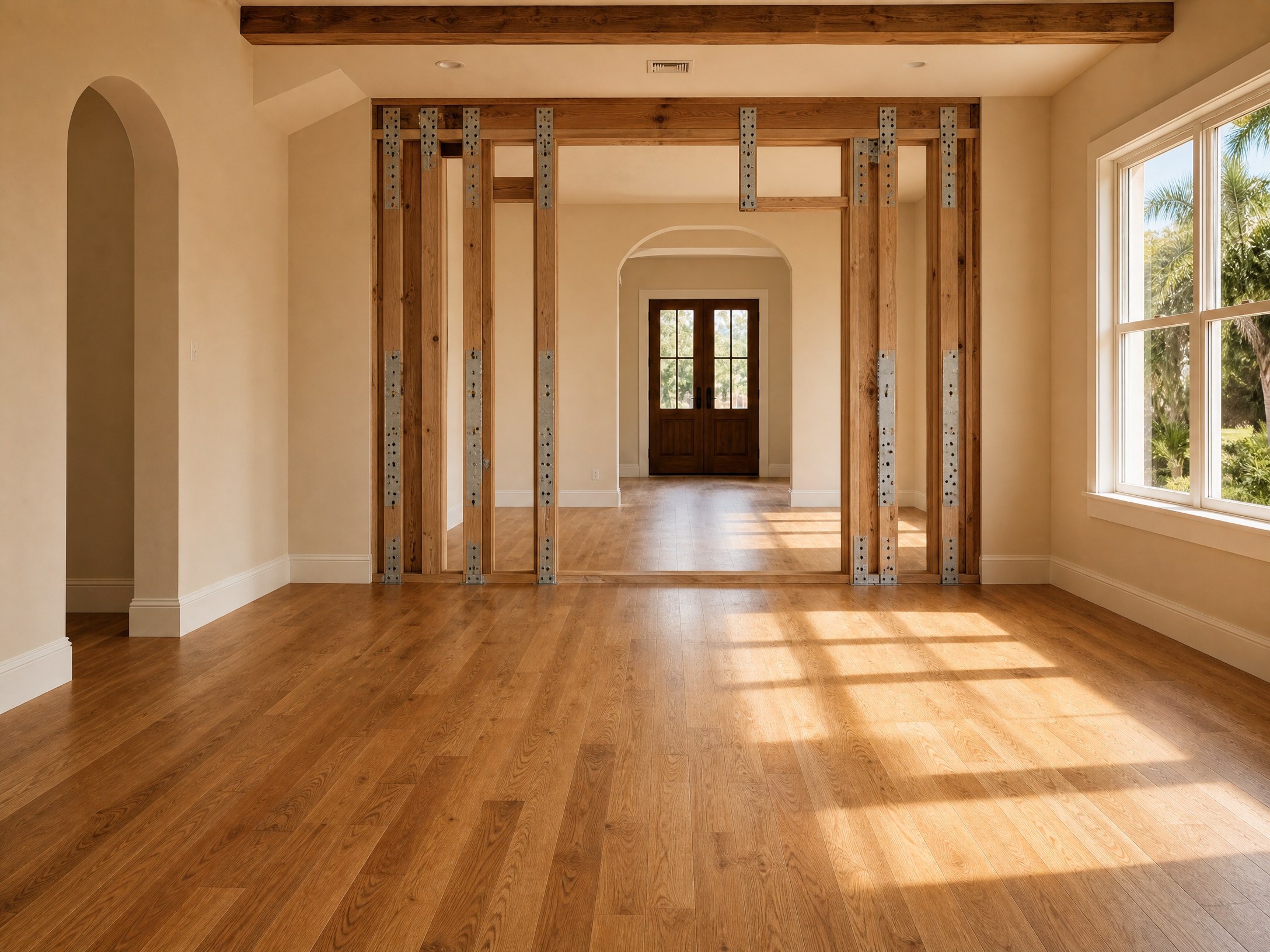
Ordinance or Law Coverage: The Florida Policy Line That Decides Who Pays for Code Upgrades
Standard property coverage restores what you had. Learn how Florida Ordinance or Law coverage can help pay for required code upgrades.
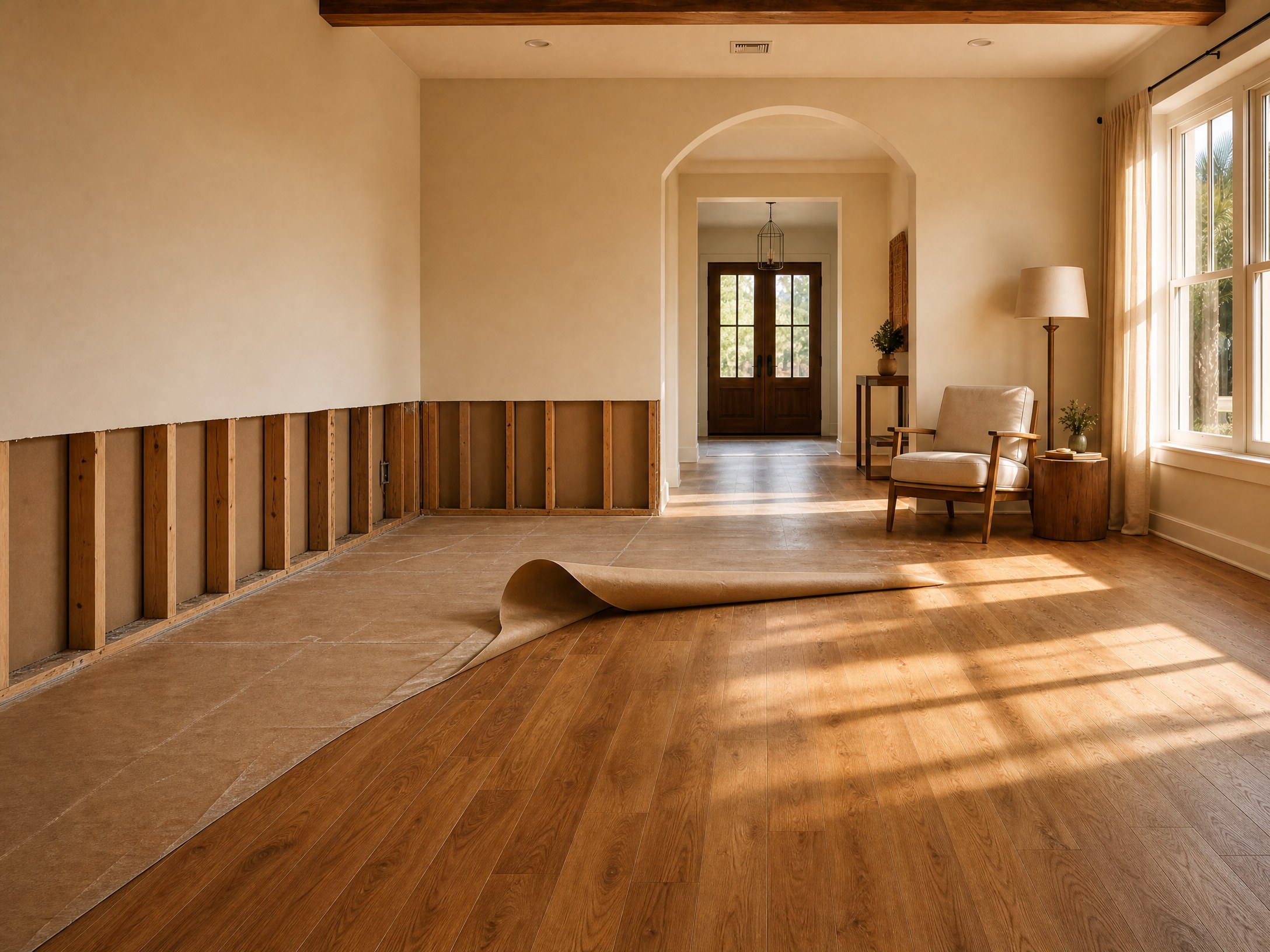
Why So Much Gets Torn Out: Selective Demolition After Property Damage
Water damage demolition can look excessive until you know why materials are opened, removed, or saved. Learn what drives a selective demolition scope.


