

What Does Property Reconstruction Cost? And What Affects the Price
After a property suffers significant damage from a fire, flood, or severe storm, the immediate focus is understandably on safety and stabilization. However, once the emergency mitigation is complete and the property is secured, a pressing question inevitably arises: "How much is it going to cost to rebuild post loss?"
Understanding the costs associated with property reconstruction is crucial for homeowners and commercial property managers alike, especially when navigating the complexities of insurance claims. Unlike standard remodeling projects, post-loss reconstruction involves unique variables that can significantly impact the final price tag. This article explores the primary factors that influence reconstruction costs and provides insight into how these expenses are calculated.
The Difference Between Mitigation and Reconstruction Costs
To accurately assess reconstruction costs, it is essential to distinguish between mitigation and reconstruction. Mitigation, often referred to as emergency services or cleanup, involves the immediate actions taken to prevent further damage. This includes water extraction, structural drying, smoke and soot removal, and boarding up exposed openings.
Reconstruction, on the other hand, encompasses the process of repairing and rebuilding the structure to its pre-loss condition. This involves replacing drywall, installing new flooring, rebuilding framing, painting, and restoring all cosmetic and structural elements. The costs for mitigation and reconstruction are typically billed separately, even if the same company handles both phases.
Primary Factors Influencing Reconstruction Costs
The cost of property reconstruction is highly variable and depends on a multitude of factors specific to each individual loss. While it is impossible to provide a universal estimate without a detailed assessment, several key elements consistently drive the final price.
- 1. The Extent and Severity of the Damage: The most obvious factor affecting cost is the sheer volume of damage. A localized kitchen fire that only requires replacing a few cabinets and repairing drywall will cost significantly less than a widespread structural fire that necessitates a complete roof replacement and extensive framing repairs. Similarly, water damage that is quickly addressed may only require minor drywall patching and baseboard replacement, whereas prolonged water exposure can lead to structural rot and mold growth, dramatically increasing the scope and cost of the reconstruction effort.
- 2. The Type of Damage: The nature of the disaster also plays a critical role in determining reconstruction costs. Different types of damage require specialized remediation and rebuilding techniques. Water Damage costs are influenced by the category of water and duration of exposure. Fire and Smoke Damage often involves addressing hidden structural damage and persistent odor issues. Storm Damage often causes exterior damage requiring specialized trades.
- 3. Building Materials and Finishes: The quality and type of materials used in the original construction significantly impact the cost of rebuilding. Replacing custom cabinetry, high-end hardwood flooring, or specialized commercial fixtures will inherently cost more than replacing standard, builder-grade materials. During the insurance claims process, the goal is typically to restore the property to its "pre-loss condition" using materials of "like kind and quality."
- 4. Code Upgrades and Compliance: Building codes and safety regulations evolve over time. When an older property requires significant reconstruction, municipal building departments often require that the repaired areas be brought up to current code standards. These code upgrades can include updating electrical wiring, installing modern plumbing fixtures, or improving structural reinforcement.
- 5. Hidden Damage and Unforeseen Complications: One of the most challenging aspects of post-loss reconstruction is the potential for hidden damage. Water can seep into wall cavities, smoke can penetrate HVAC systems, and structural stress may not be immediately apparent. These unforeseen complications can necessitate revisions to the initial scope of work and result in increased costs.
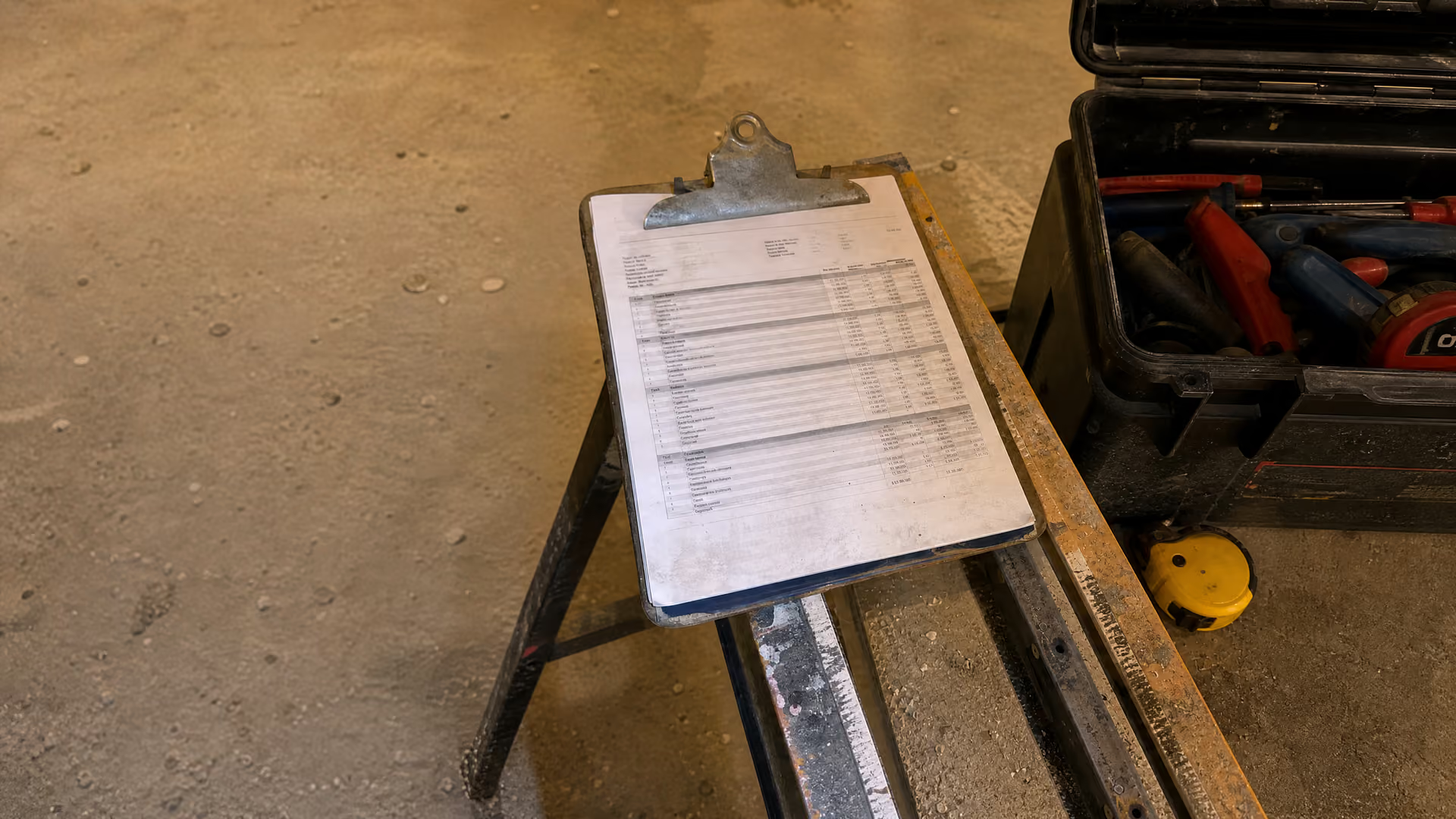
Navigating the Estimate Process: Reputable reconstruction contractors utilize specialized estimating software, such as Xactimate, which is widely accepted by the insurance industry. When reviewing a reconstruction estimate, property owners should look for transparency and detail. By understanding the factors that influence reconstruction costs and working with an experienced, transparent contractor, property owners can navigate the rebuilding process with confidence and clarity.
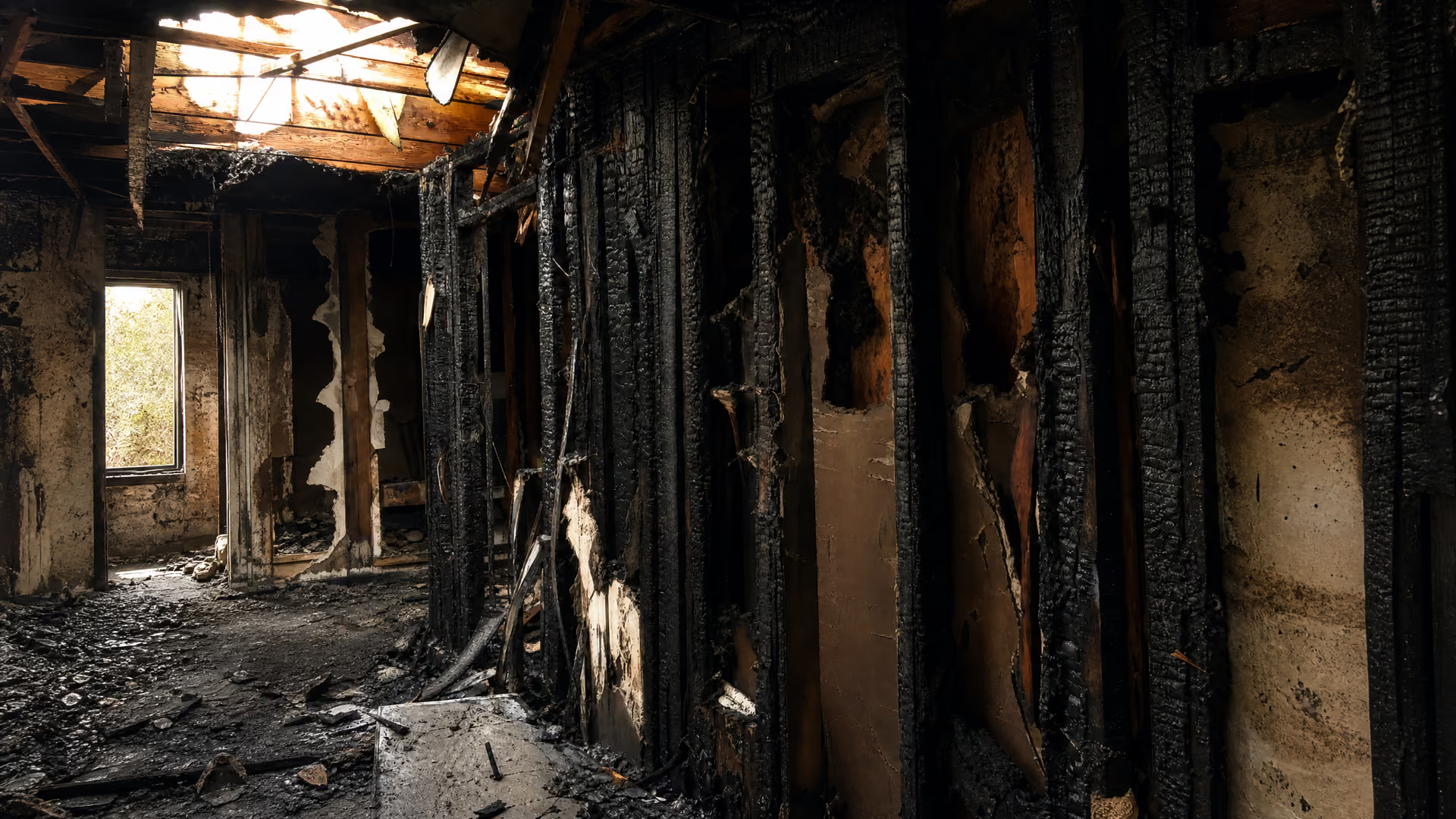
Fire and Storm Reconstruction: What Happens After the Emergency Is Under Control
Learn how fire and storm reconstruction connects emergency stabilization, cleanup, and rebuilding after property damage.

The 50 Percent Rule: The Florida Regulation That Can Change Your Entire Rebuild
If repair costs reach half your building's value, Florida may require full code compliance. Learn what triggers the rule and how it is calculated.


