

Why Water Damage Reconstruction Should Never Start Before Drying Is Complete
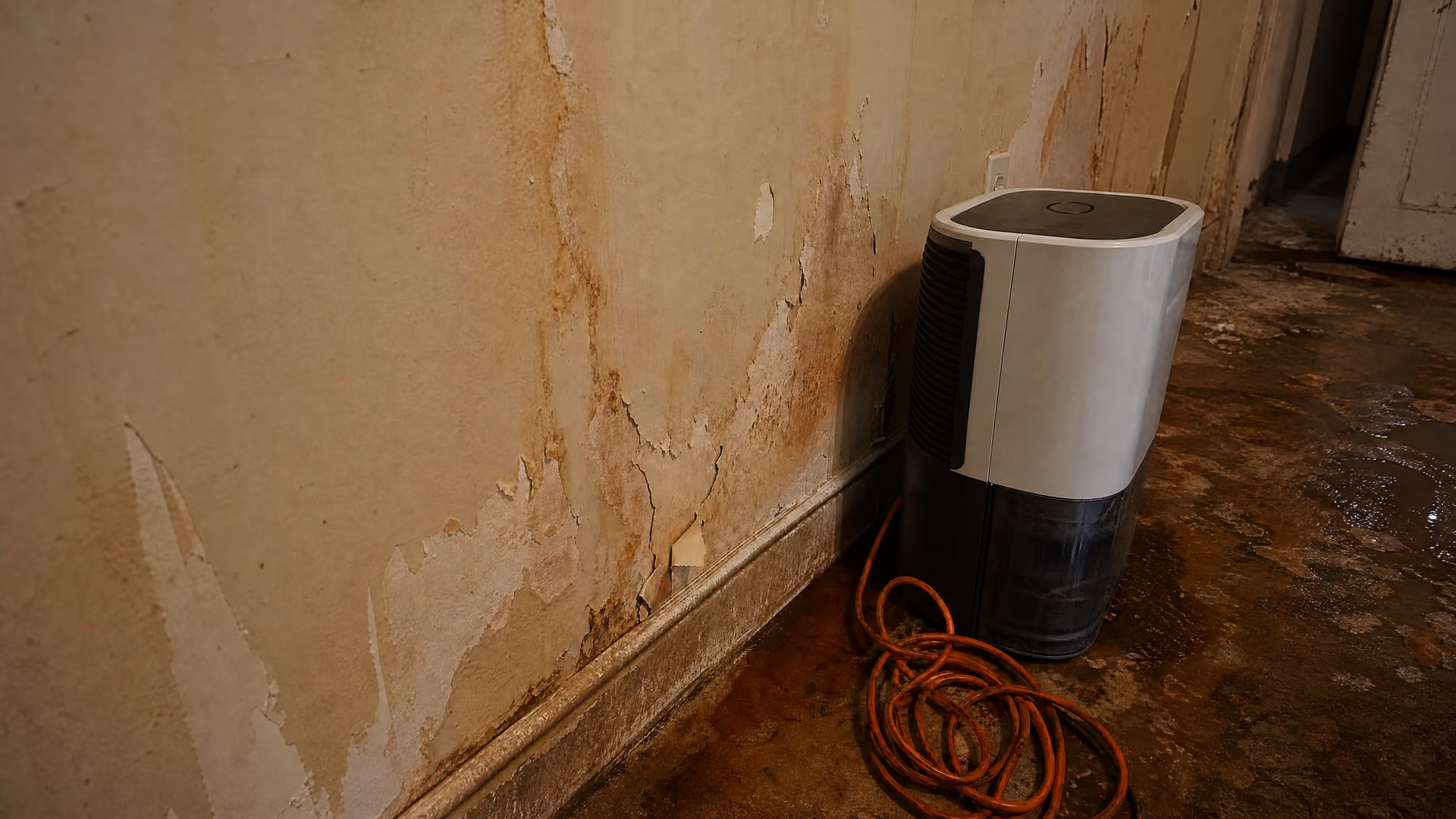
Water damage can make a property look ready for repair before it actually is. A floor may appear dry on the surface. A wall may seem solid. A ceiling stain may look like a simple paint issue. However, moisture often hides behind baseboards, under flooring, inside wall cavities, around cabinets, and within insulation. If reconstruction begins before those areas are properly evaluated and dried, the new materials may cover up an active problem instead of solving it.
This is one of the most important lessons property owners can learn after a water loss: reconstruction should not outrun mitigation. The purpose of water damage restoration is to remove standing water, address affected materials, establish drying conditions, monitor progress, and help return the structure to a condition where repairs can begin. Reconstruction comes next, after the wet environment has been controlled.
The reason is simple. Building materials respond to water in different ways. Drywall can wick moisture upward. Particleboard cabinetry can swell. Laminate flooring can trap water underneath. Wood framing can hold moisture long after the room looks dry. Insulation can become saturated and lose performance. If these conditions are missed, the rebuild may look clean at first but fail later.
- Water extraction: Removes standing water, which reduces immediate saturation and damage spread.
- Controlled demolition: Removes unsalvageable materials, which opens hidden areas for drying and inspection.
- Structural drying: Reduces moisture in remaining materials, which helps prevent trapped moisture behind new finishes.
- Moisture monitoring: Tracks drying progress, which provides a clearer basis for when repairs can begin.
- Reconstruction: Replaces damaged materials, which restores function and appearance after the structure is ready.
A common mistake is assuming that reconstruction is only about replacing what was removed. In reality, water damage reconstruction is about rebuilding only after the affected space is ready to receive new materials. This may include replacing drywall, baseboards, cabinets, flooring, doors, trim, insulation, or ceiling materials. It may also require coordination around plumbing repairs, subfloor conditions, painting, texture matching, and finish selections.
The drying process matters because water can create secondary damage. Excess moisture can contribute to odors, material deterioration, and conditions that may support microbial growth if not addressed promptly and properly. Industry standards for professional water damage restoration emphasize inspection, moisture evaluation, and appropriate drying procedures because hidden moisture can affect the outcome of the project. If mold remediation is required, it must be completed before rebuilding.
For homeowners, the best question is not, "When can the repair work start?" The better question is, "Has the affected area been dried and documented well enough for repairs to begin?" That question changes the conversation. It encourages a process that protects the property rather than simply covering visible damage.
Insurance-related water losses also benefit from a clear sequence. When mitigation and reconstruction are documented separately but coordinated properly, the scope of work is easier to understand. The mitigation portion explains what was done to stop and control the damage. The reconstruction portion explains what is needed to restore the damaged space. This helps reduce confusion for owners, adjusters, property managers, and repair teams.
The same logic applies to commercial buildings. A retail store, medical office, restaurant, warehouse, or apartment building may be under pressure to reopen quickly. Speed matters, but speed without drying can create expensive callbacks. Commercial water damage restoration should focus on minimizing downtime while still protecting the building from incomplete recovery.
Reconstruction after water damage can be a major opportunity to improve communication with the customer. Instead of presenting cleanup and repair as two disconnected services, the process can be explained as a full recovery path. First, stop the damage. Second, remove water and affected materials. Third, dry the structure. Fourth, rebuild the space. That sequence makes the project easier for a property owner to understand. We can also handle contents restoration to protect your belongings during this process.
The final takeaway is straightforward. Water damage reconstruction should begin when the property is ready, not merely when the damaged area looks dry. The most successful rebuilds happen when moisture evaluation, drying, and repair planning work together. Contact us for professional reconstruction services.
Hurricane and Flood Damage to Your Home: What to Do in the First 72 Hours
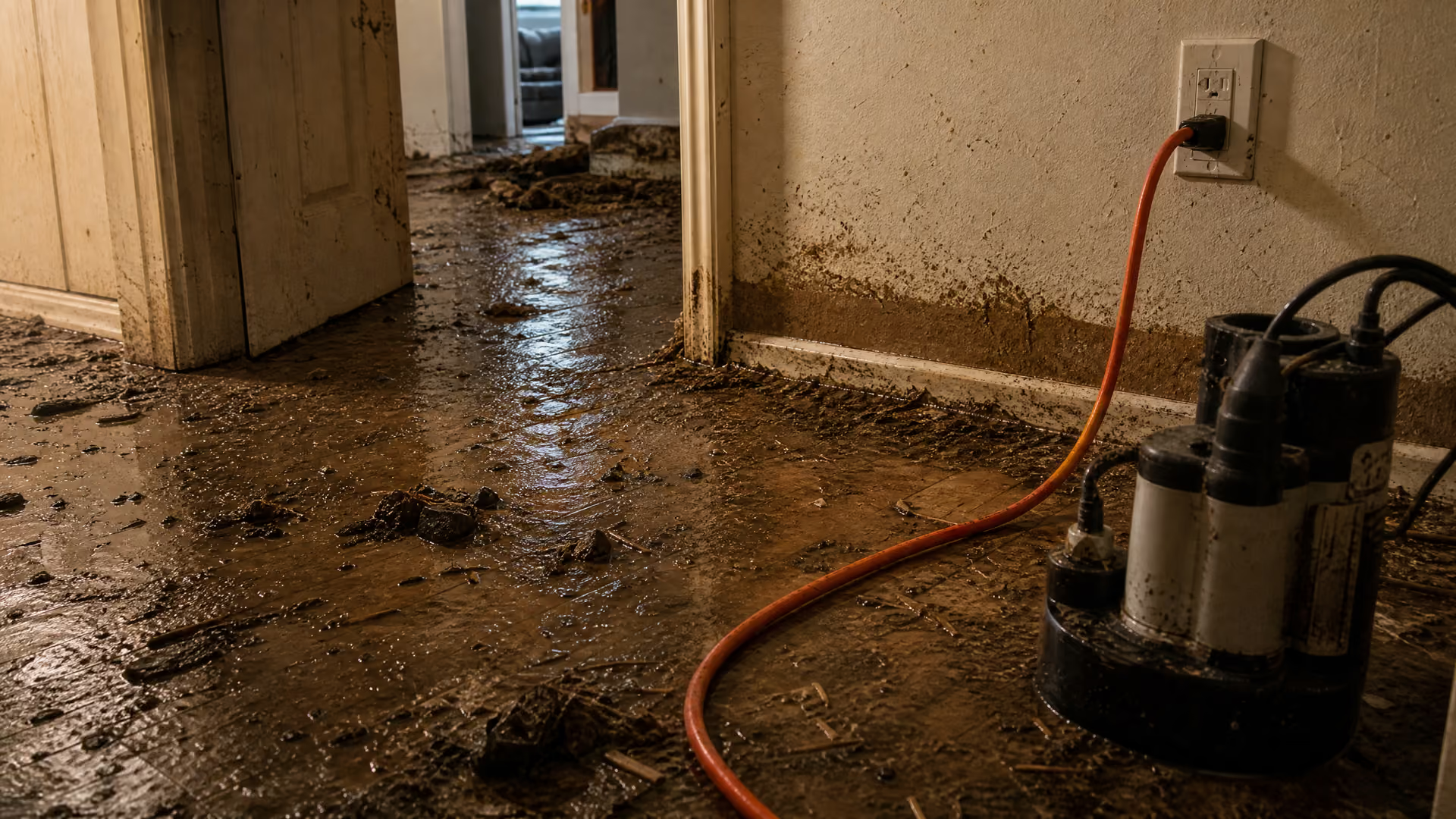
The first 72 hours after a hurricane or flood are critical. Here's a step-by-step guide to protecting your home, documenting damage, and starting the recovery process the right way.

Condo Reconstruction in Florida: Who Pays for What After a Loss
Florida condo reconstruction responsibilities often stop at the drywall. Learn what associations and unit owners generally pay for after a loss.


