

Commercial Reconstruction: Why Businesses Need More Than a Basic Repair Contractor
When a business suffers a property loss, the disruption is usually measured in time and money. A water loss can close offices, affect inventory, disrupt tenants, or create safety concerns. A fire can interrupt operations, damage equipment, and create smoke or odor issues. A storm can compromise roofing, windows, ceilings, and customer-facing spaces. For commercial properties, reconstruction is not just about repair. It is about helping the business return to operation as efficiently and safely as possible.
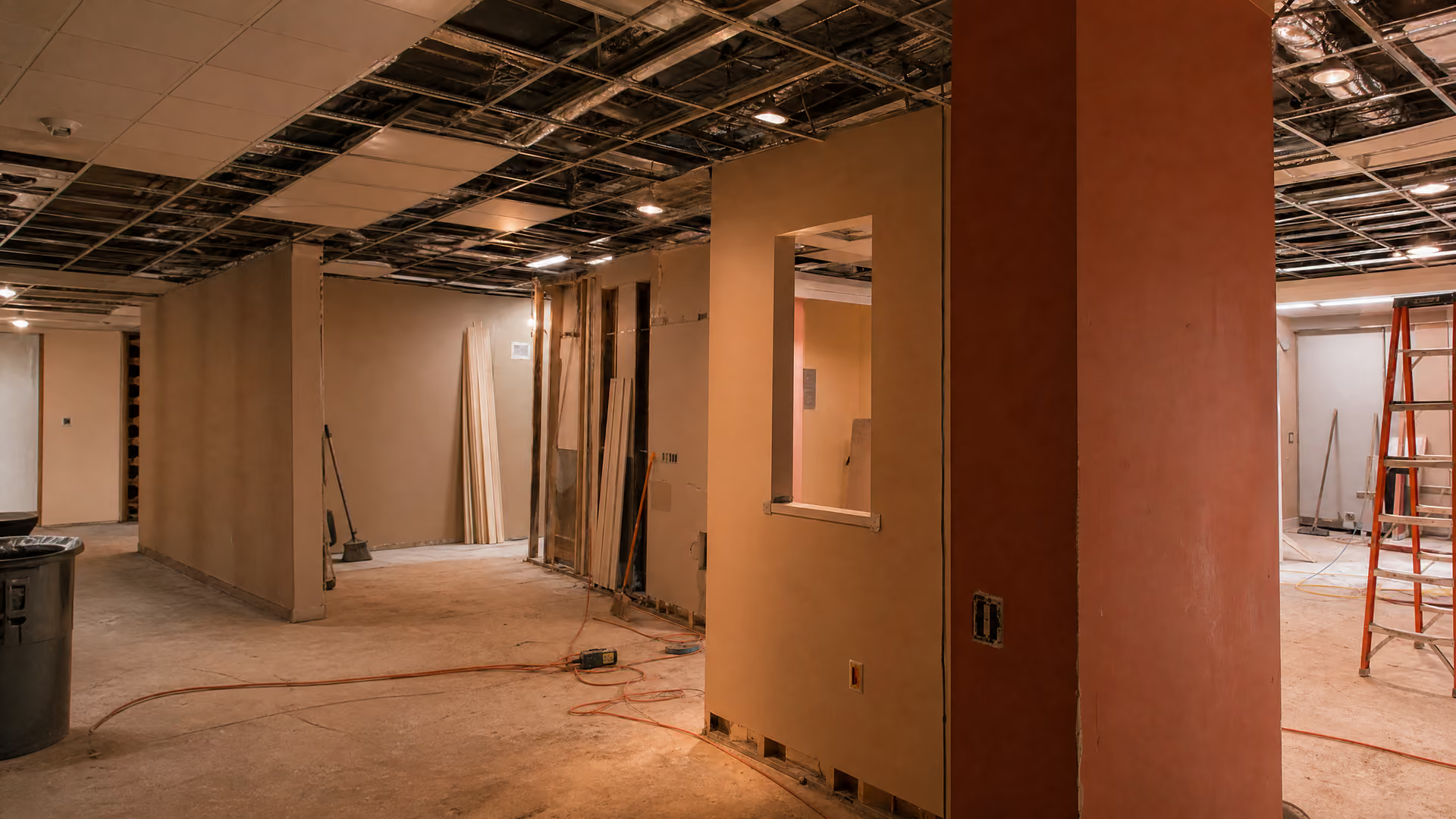
Commercial reconstruction differs from standard commercial construction because the project usually begins under pressure. The building may be partially unusable. Employees, tenants, customers, vendors, or residents may be affected. Insurance documentation may be needed. The owner may need temporary protection, phased repairs, after-hours scheduling, or coordination with property management. A basic repair contractor may be able to replace materials, but a commercial reconstruction plan must account for business continuity.
- Downtime: Lost business, tenant complaints, operational disruption. Response: Prioritize critical areas and phase the rebuild.
- Safety: Damaged areas may create hazards. Response: Secure, document, and repair affected spaces properly.
- Documentation: Insurance and ownership groups need clarity. Response: Maintain photos, estimates, and scope details.
- Access: Work may happen around active operations. Response: Coordinate scheduling, containment, and communication.
- Code and occupancy: Repairs may involve compliance issues. Response: Plan permits, inspections, and finish requirements early.
A commercial water damage restoration situation is a common example. A broken pipe in a retail center may affect multiple units. A roof leak in an office building may damage ceiling tiles, insulation, drywall, and flooring. A plumbing failure in an apartment building may impact several floors. The mitigation stage focuses on water removal, drying, controlled demolition, and moisture documentation. The reconstruction stage focuses on putting the affected spaces back together so the property can function again.
Fire damage restoration creates a different set of commercial concerns. Smoke may spread through shared walls, HVAC pathways, open ceilings, or adjacent spaces. Firefighting water may affect areas beyond the burn zone. Odor may linger if cleaning and repair are not coordinated. Reconstruction after a commercial fire may include drywall replacement, ceiling systems, flooring, painting, cabinetry, doors, trim, and other building components.
Storm damage restoration can also disrupt operations quickly. A roof opening, broken storefront glass, wind-driven rain, or damaged exterior can force a business to close or restrict access. Emergency protection is the first priority, but reconstruction is what turns temporary protection into a finished repair. In hurricane-prone or storm-exposed markets, this connection between emergency response and rebuild planning is especially important.
Mold-related reconstruction can be sensitive because it may involve containment, removal of affected materials, and careful repair after remediation. The reconstruction team should not treat mold-related repairs like a cosmetic patch. The affected materials must be addressed properly before rebuilding begins. Once remediation is complete, reconstruction can restore walls, ceilings, flooring, and finishes.
Communication is often the deciding factor in commercial reconstruction. Business owners need to know which areas are affected, what work is happening, what can remain open, what needs to be closed, and what the next milestone will be. Property managers need updates they can share with tenants. Insurance representatives may need documentation and estimates. A well-managed reconstruction process reduces uncertainty.
The scope of work should also be practical. Commercial properties may have durable finishes, specialty flooring, fire-rated assemblies, acoustic ceilings, millwork, exterior materials, or equipment access requirements. The reconstruction plan should account for matching existing materials when possible and replacing damaged systems in a way that supports the building's use.
For businesses, the value of reconstruction is not simply that the walls are repaired. The value is that the property can return to serving customers, tenants, employees, patients, students, or guests. That requires a recovery approach that understands both the building and the business interruption behind the damage. Our commercial restoration services are designed to help.
Commercial reconstruction works best when it is connected to the full restoration process. Emergency response protects the property. Mitigation controls the damage. Documentation organizes the claim and scope. Reconstruction restores the space. When those pieces work together, a damaged business has a clearer path back to normal operations.
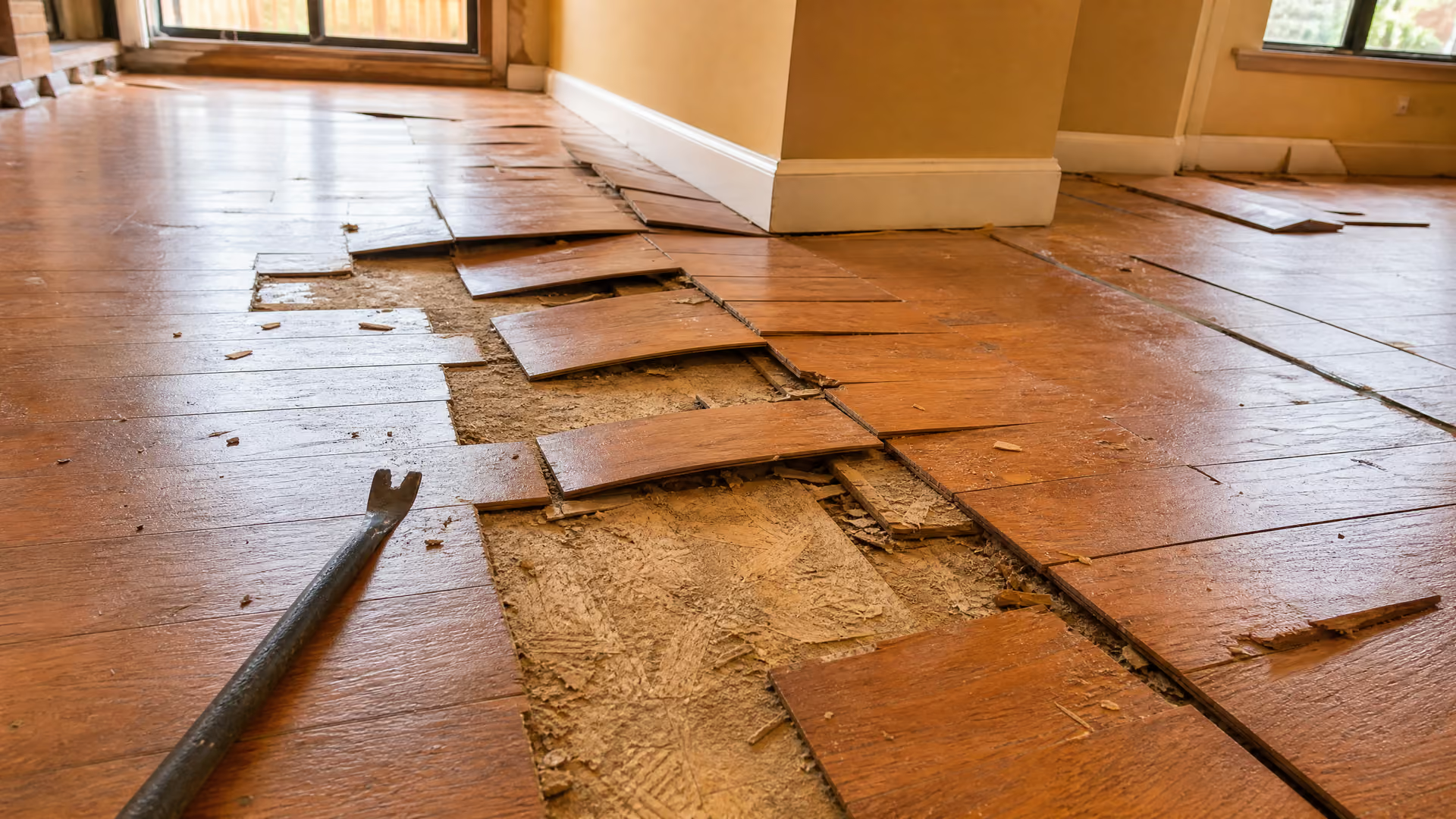
Flooring Replacement After Water or Fire Damage: What You Need to Know
Does water or fire damage always mean replacing your floors? Learn how different flooring types respond to damage, when replacement is necessary, and how insurance covers the cost.
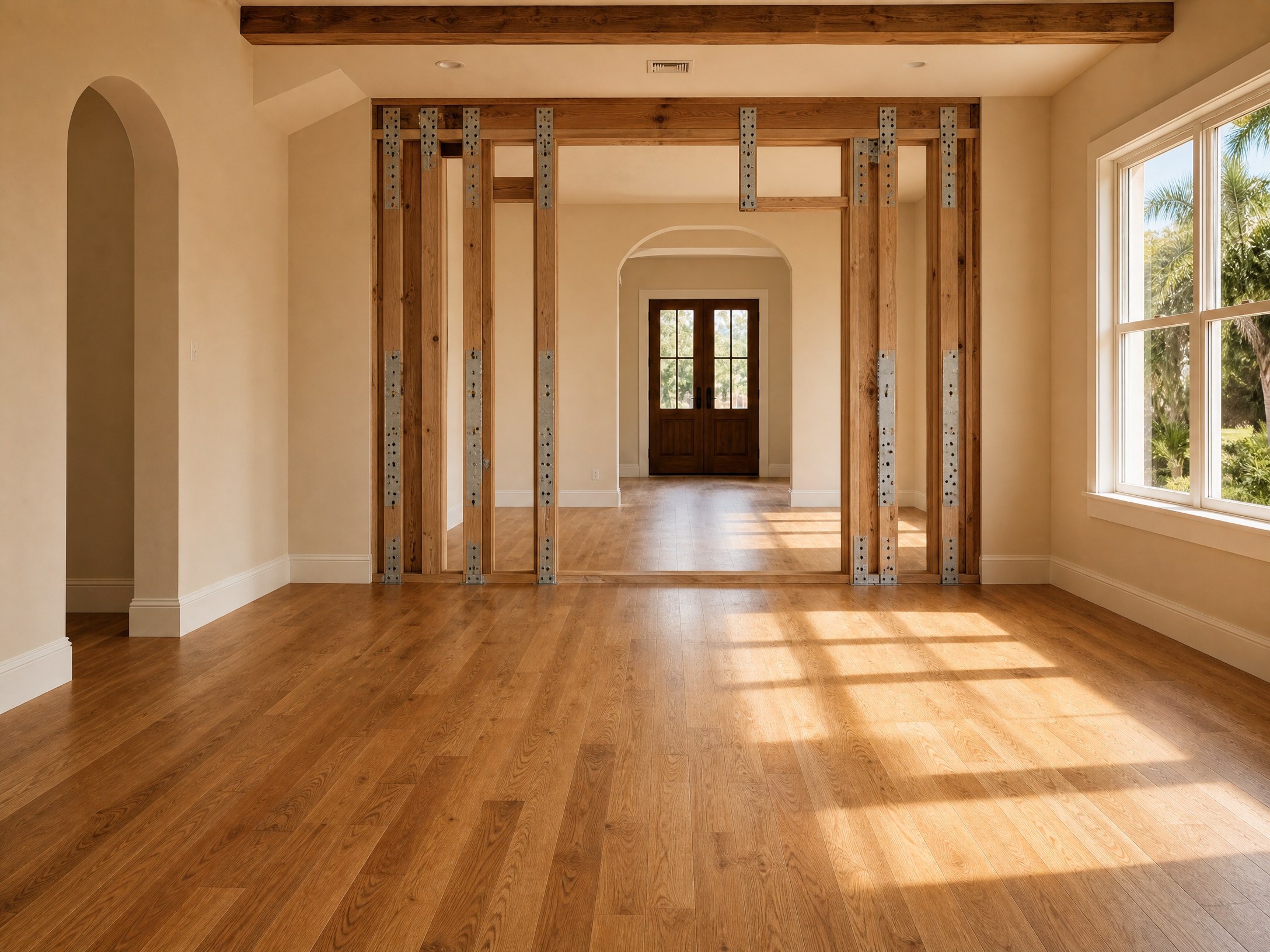
Ordinance or Law Coverage: The Florida Policy Line That Decides Who Pays for Code Upgrades
Standard property coverage restores what you had. Learn how Florida Ordinance or Law coverage can help pay for required code upgrades.


