

Construction vs. Reconstruction: Why the Difference Matters After Property Damage
Most property owners understand construction as the process of building something new. A contractor may build a new home addition, finish a commercial space, remodel a kitchen, or install new materials according to a planned design. Reconstruction is different because it usually begins after a property has already been damaged. The project is not starting with a blank canvas. It is starting with an event such as a water loss, fire, storm, mold concern, roof leak, plumbing failure, or other disruption that must be cleaned, stabilized, documented, and repaired in the right order.
That difference matters. A standard construction project usually focuses on design, materials, scheduling, permitting, and craftsmanship. A reconstruction project must consider those same construction details, but it also has to account for damage assessment, mitigation, safety concerns, moisture conditions, contamination, odor, structural impact, and insurance documentation. In other words, construction and reconstruction are not simply the same thing. Reconstruction is a coordinated recovery process that connects emergency cleanup with the final repair work.
Plain-English definition: Construction builds or improves a property under planned conditions. Reconstruction restores damaged property after a loss, usually after mitigation, cleanup, drying, or remediation has been completed.
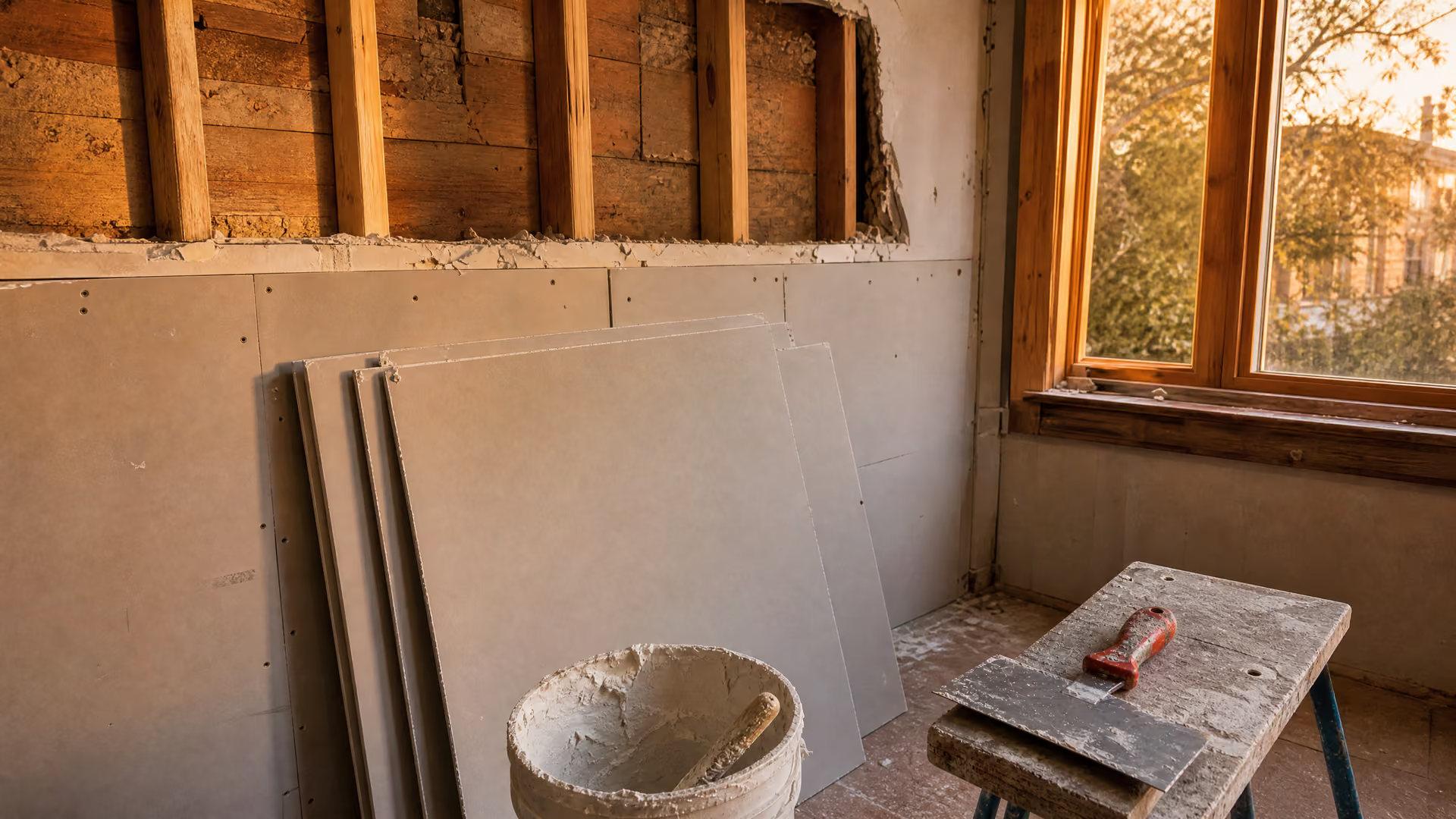
This is why the order of operations is so important. If a wall cavity is wet, if insulation is contaminated, if smoke residue remains on structural materials, or if storm damage has left openings in the building envelope, installing new drywall or finishes too quickly can create long-term problems. Reconstruction should follow a clear path: identify the damage, stabilize the property, remove affected materials when necessary, complete mitigation, verify that the property is ready for repair, and then rebuild.
- Construction: Usually planned before work begins. Starts with design goals and scope preferences. May not involve mitigation or remediation. Focuses on new installation or renovation. May have flexible timing.
- Reconstruction: Usually follows an unexpected property loss. Starts with damage evaluation and recovery priorities. Often follows water, fire, mold, or storm cleanup. Focuses on restoring damaged areas to usable condition. Often requires urgent coordination to prevent further damage.
For example, a property with a broken supply line may need water extraction, demolition of affected materials, structural drying, and moisture documentation before reconstruction begins. A home with fire damage may need smoke cleaning, odor control, debris removal, and repair of charred materials before new finishes can be installed. A building hit by high winds may need emergency roof tarp and board-up protection before reconstruction planning can move forward. Each situation requires more than a general contractor mindset. It requires a restoration-first approach.
Another major difference is documentation. Reconstruction after a covered property loss often involves photographs, measurements, estimates, material lists, room-by-room scopes, and communication with adjusters or property managers. Good documentation helps keep the process organized. It also helps owners understand what was damaged, what was removed, what needs to be repaired, and how the rebuild connects to the original loss.
The best reconstruction projects also avoid unnecessary handoffs. When cleanup and rebuild planning are disconnected, homeowners and business owners may feel stuck between multiple vendors. One team may remove damaged materials, another may dry the property, another may estimate repairs, and another may rebuild the space. Every handoff creates a chance for confusion, delays, missed details, or duplicate work. A more integrated process helps the property owner move from emergency response to repair with less friction.
This distinction is especially important for local search and customer education. Many owners search for water damage restoration, fire damage restoration, storm damage restoration, mold remediation, or reconstruction services without knowing which service they actually need first. Educational content should help them understand that cleanup and rebuilding are connected, but not identical.
A helpful way to explain it is this: mitigation protects the property from getting worse, while reconstruction puts the damaged space back together. If a pipe bursts, mitigation may involve extraction and drying. Reconstruction may involve drywall, paint, trim, flooring, cabinets, or other repairs. If a roof is damaged during a storm, emergency services may protect the opening, while reconstruction restores the roof, ceiling, or interior finishes affected by the event.
For property owners, the takeaway is simple. Do not rush straight into repairs after a loss. Make sure the property has been properly evaluated, cleaned, dried, stabilized, and prepared for rebuilding. Reconstruction is most successful when it is treated as part of the larger recovery process, not as a separate afterthought.

Condo Reconstruction in Florida: Who Pays for What After a Loss
Florida condo reconstruction responsibilities often stop at the drywall. Learn what associations and unit owners generally pay for after a loss.
Commercial Reconstruction: Why Businesses Need More Than a Basic Repair Contractor
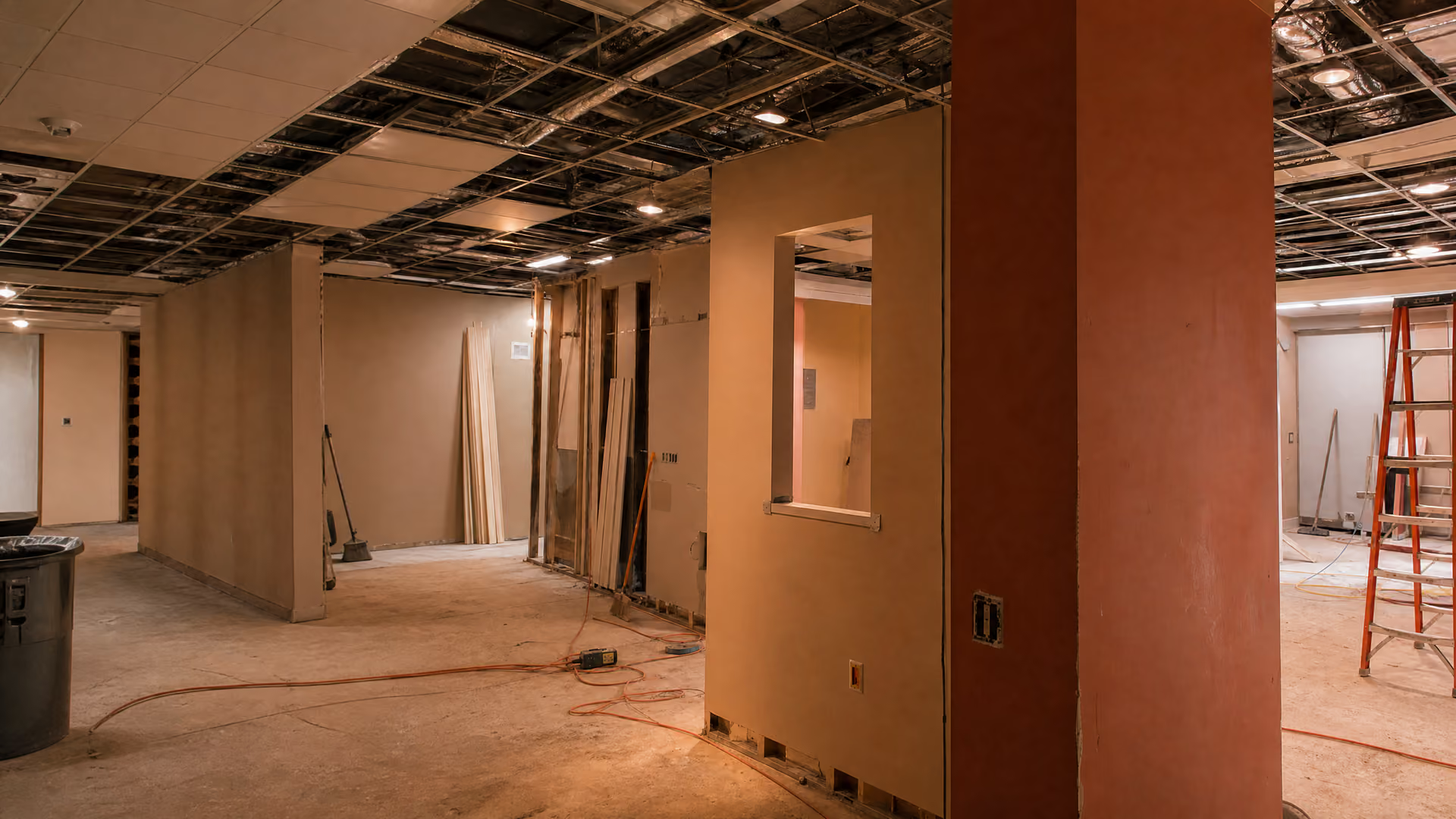
Commercial reconstruction helps businesses recover after water, fire, storm, or mold damage by connecting mitigation, documentation, and repair planning.


